

CALL 607-533-1380 OR
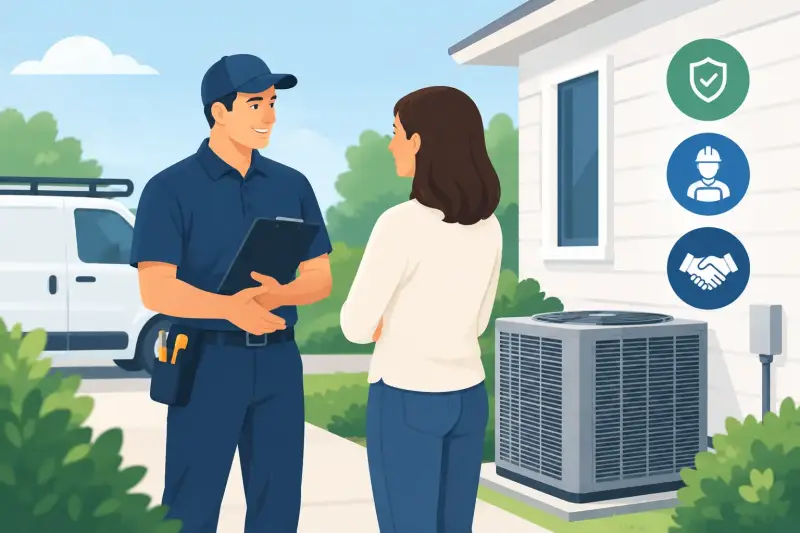
How to Choose HVAC Contractors You Can Trust
A failed air conditioner on a hot Anaheim afternoon, a furnace that will not start, or water appearing beneath mechanical equipment all create the same urgent question: who can diagnose the problem correctly and fix it without creating another one? HVAC contractors do more than replace parts. The right contractor protects your comfort, operating budget, equipment life, and, in many cases, your property from avoidable damage.
Choosing well matters whether you are a homeowner facing an unexpected repair or a facility manager responsible for a busy commercial property. Price is part of the decision, but it should not be the only measure. A low initial quote can become expensive when the diagnosis is incomplete, the repair is temporary, or the system is installed without considering the needs of the building.
Start With the Problem, Not a Predetermined Fix
Many property owners call for a specific repair because they have heard a noise, seen an error code, or received advice from a neighbor. That information can be useful, but it is not a diagnosis. A system that is not cooling may have an airflow issue, a thermostat issue, an electrical problem, a refrigerant concern, or a failing component. Replacing the first suspected part is not always the answer.
A dependable contractor begins by asking practical questions. When did the problem start? Is it constant or intermittent? Has the utility bill changed? Has the system had recent repairs? For commercial spaces, are tenants, customers, inventory, or critical operations being affected? These details help a technician investigate the cause instead of treating only the symptom.
This is especially important with older systems. An aging air conditioner may need a targeted repair that provides another season of service. In other cases, repeated repairs, weak efficiency, and difficult-to-source parts can make replacement the more sensible financial choice. The right recommendation depends on the condition of the equipment, repair history, expected remaining life, and your plans for the property.
What Dependable HVAC Contractors Do Differently
Strong service begins with clear communication. You should understand what the technician found, why it matters, and what options are available before work moves forward. Technical details do not need to be overwhelming. A qualified professional should be able to explain the issue in plain language, including the consequences of waiting and the expected benefit of each option.
Look for a contractor that provides straightforward quotes. A useful quote identifies the scope of work, key materials or equipment, labor, and any conditions that could affect the final cost. For a major installation, it should also explain whether permits, inspections, electrical changes, ductwork adjustments, or thermostat upgrades may be involved.
Credentials and accountability matter as well. Ask whether the company is properly licensed for the work, insured, and experienced with your type of system. California properties can have different needs based on equipment age, building layout, occupancy, and local code requirements. A contractor should be prepared to handle necessary permits and inspections when the job calls for them rather than treating them as an afterthought.
Responsiveness is another practical measure. A company does not need to promise that every repair will be completed instantly, especially when specialty parts are needed. It should, however, respond promptly, explain the next step, and help you protect the property while a permanent repair is arranged. During an emergency, reliable communication reduces stress as much as a fast arrival time.
Questions to Ask HVAC Contractors Before You Hire
A short conversation can reveal a great deal about how a company operates. Start by asking how the issue will be diagnosed and whether the service visit includes an explanation of findings. If a contractor immediately pushes a replacement without evaluating the system, it is reasonable to ask for the reasoning and alternatives.
For replacement projects, ask whether the equipment will be sized for the home or building rather than selected based only on the old unit. Bigger is not automatically better. Oversized heating and cooling equipment can cycle too frequently, struggle with humidity control, and wear components faster. Undersized equipment may run continuously and still fail to maintain comfort during peak conditions.
You should also ask about warranty coverage and who handles warranty service if a problem arises. Manufacturer warranties can differ from labor warranties, and the distinction should be clear. For commercial property decision-makers, ask about response procedures, reporting, maintenance documentation, and whether service can be coordinated around tenant hours or business operations.
Finally, ask what can be done to prevent a repeat issue. A repair may solve the immediate problem, but a clogged drain line, dirty filter, damaged duct, failing electrical connection, or neglected outdoor unit can contribute to future breakdowns. A good contractor sees the repair in the context of the entire system.
Compare Quotes on Scope, Not Just the Bottom Line
Two quotes for the same job can vary for valid reasons. One may include a higher-efficiency system, new safety controls, a better thermostat, required code updates, or additional labor to correct installation problems. The lower quote may still be appropriate, but only if you know what it does and does not include.
Compare the equipment model, capacity, efficiency rating, warranty terms, installation work, electrical or ductwork changes, permit responsibility, and cleanup. If one estimate is difficult to understand, ask for clarification before signing. Clear answers are a good sign. Pressure to approve a vague estimate is not.
For repairs, request a breakdown of the diagnosis, recommended repair, and expected outcome. A contractor cannot always predict every hidden condition before opening equipment, but they should explain possible variables honestly. That helps you make a decision with fewer surprises.
Maintenance Is Where Reliability Is Built
Most heating and cooling failures are not fully preventable, but many are preceded by warning signs. Reduced airflow, uneven room temperatures, unusual cycling, higher energy use, water near equipment, and new noises all deserve attention before they become a no-cooling or no-heat call.
Preventive maintenance gives technicians the chance to catch loose electrical connections, restricted drainage, worn components, dirty coils, airflow problems, and declining system performance early. For homeowners, regular maintenance can help improve comfort and reduce the chance of a disruptive breakdown. For businesses, it supports continuity by reducing emergency calls that can affect staff, customers, tenants, and operations.
The right schedule depends on your equipment and how hard it works. A lightly used residential system may have different needs than a restaurant, office, retail space, or multi-unit property with long operating hours. A contractor should recommend a maintenance approach based on the property rather than offering the same plan to everyone.
Consider HVAC and Plumbing Together When Systems Overlap
Heating, cooling, and plumbing are separate trades, but property problems do not always arrive in separate categories. Condensate drain issues can cause water damage near air handlers. Water lines, drainage, gas connections, and mechanical equipment may share tight spaces and affect the same areas of a home or facility.
Working with one accountable provider for HVAC and plumbing can simplify service coordination. Instead of multiple companies trying to determine where responsibility begins and ends, one team can evaluate the connected conditions and organize the repair. This is particularly helpful for property managers who need clear communication and fewer service interruptions.
HVAC Pros provides that combined approach for homeowners and commercial properties that need heating, cooling, and plumbing work handled quickly and professionally. Whether the concern is a sudden failure or a maintenance plan for the year ahead, the goal should remain the same: identify the real issue, explain the options clearly, and complete work that supports reliable performance.
When you need service, choose a contractor that treats your property like a system, not a sales opportunity. A careful diagnosis, a straightforward quote, and a practical maintenance plan can turn an urgent call into a more comfortable and predictable future.