


607-533-1380 HVAC SERVICE
HVAC System Inspection Anaheim Property Owners Need
A cooling system can appear to work normally right up until an Anaheim heat spell exposes a problem: weak airflow, rising indoor temperatures, a tripped breaker, or water near the indoor unit. An HVAC system inspection Anaheim property owners schedule before that moment gives a qualified technician time to find developing issues while repairs are usually simpler, less disruptive, and easier to plan for.
For homeowners, an inspection protects daily comfort and helps avoid a surprise loss of cooling or heat. For businesses, apartments, and other commercial properties, it helps protect operating hours, tenants, equipment, and customer experience. The goal is not to sell a repair that is not needed. It is to get a clear picture of how the system is operating, what needs attention now, and what should be monitored.
What an HVAC System Inspection in Anaheim Covers
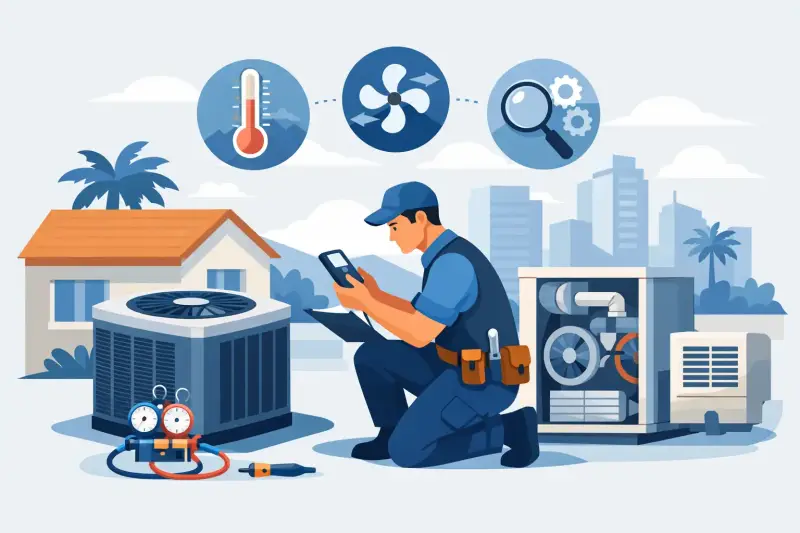
An HVAC inspection looks beyond whether the thermostat turns the system on. Heating and cooling equipment works as a connected system. A dirty filter can restrict airflow, restricted airflow can strain components, and an overlooked drain issue can lead to water damage. A careful inspection follows that chain rather than treating each symptom as separate.
The exact scope depends on the type, age, and condition of the equipment. A central air conditioner and furnace, heat pump, rooftop commercial unit, ductless system, or split system each has different components and service needs. Still, a thorough visit typically evaluates the equipment's overall condition, safe operation, airflow, electrical connections, refrigerant performance where applicable, and drainage.
A technician may check items such as:
- Thermostat response, operating modes, and temperature settings
- Air filters, blower performance, accessible ductwork, and supply and return airflow
- Indoor and outdoor coils for dirt, damage, or restricted heat transfer
- Electrical wiring, capacitors, contactors, disconnects, and signs of overheating
- Condensate lines, drain pans, and pumps that can cause leaks when blocked
- Furnace ignition, burners, venting, and safety controls during heating service
Inspection findings should be explained in plain language. If a part is worn but still functioning, it is reasonable to discuss its condition, likely timing, and replacement options instead of treating every recommendation as an emergency. Straightforward information lets owners decide what makes sense for their property and budget.
Why Anaheim Properties Benefit From Routine Checks
Cooling systems in Southern California often see long stretches of use. Dust, outdoor debris, heat exposure, and normal vibration can gradually affect performance. Because those changes happen over time, a system may still run while using more energy, cooling unevenly, or placing added stress on critical parts.
An annual inspection is a practical baseline for many homes. Properties with older equipment, pets, heavy AC use, allergies, recent remodeling, or recurring comfort problems may benefit from more frequent attention. Heat pumps are used for both heating and cooling, so they commonly need seasonal checks to keep both functions dependable.
Commercial schedules require a closer look at real operating conditions. A small office with regular hours has different needs from a restaurant, medical office, retail location, warehouse, or multi-unit property. Equipment that runs for extended hours, serves large occupancy levels, or supports temperature-sensitive operations should be inspected on a maintenance schedule designed around its workload and downtime risk.
There is a trade-off in waiting until a unit fails. Deferring service can make sense when equipment is near planned replacement and a minor issue does not affect safety or operation. But waiting without knowing the condition of the system is different. An inspection provides the information needed to prioritize repairs, budget for replacement, and avoid making decisions under emergency pressure.
Problems an Inspection Can Catch Early
Some HVAC problems make themselves obvious. Loud metal-on-metal noises, burning smells, repeated breaker trips, or no cooling at all call for prompt service. Other issues are quieter and may be discovered only during a scheduled inspection.
A clogged condensate drain is a good example. Air conditioning removes moisture from indoor air, and that water must drain properly. Algae, debris, or buildup can restrict the line, causing a backup that may trigger a safety switch or overflow near the indoor equipment. Addressing a drain issue early can prevent an inconvenient shutdown and help protect nearby walls, ceilings, flooring, or stored items.
Electrical components also wear over time. A weakened capacitor or worn contactor may let the system start inconsistently before it fails completely. Loose electrical connections can create heat and damage components. Finding those warning signs does not guarantee that every breakdown can be prevented, but it can reduce the chance of a sudden failure during periods of high demand.
Airflow concerns deserve the same attention. Rooms that stay warmer than others, weak air from vents, excessive dust, and unusually long run times may relate to a filter, blower, duct condition, thermostat setting, coil cleanliness, or equipment sizing. The right fix depends on the cause. Adding refrigerant without checking for a leak, for example, may offer only temporary relief and does not address why the refrigerant level became low.
Inspection, Maintenance, and Repair Are Not the Same
These services overlap, but they serve different purposes. An inspection evaluates condition and identifies concerns. Preventive maintenance includes routine tasks that keep equipment operating efficiently, such as cleaning accessible components, replacing filters when provided, clearing drainage, and checking operation. Repair corrects a confirmed malfunction or failed component.
A visit may include all three when appropriate. If a technician finds a blocked drain line during an inspection, clearing it is often a sensible maintenance step. If testing confirms a failing electrical component, a repair may be recommended. The value comes from clear communication about what was found, what action is needed, and what the cost will be before work moves forward.
For property managers, documenting each visit is especially useful. Service records can reveal recurring issues, support maintenance planning, and make it easier to track equipment nearing the end of its useful life. For homeowners, they provide a useful history when comparing repair costs against replacement options.
How to Prepare for an HVAC Inspection
You do not need technical knowledge to make an inspection productive. Clear access is the main priority. Move stored items away from the indoor unit, thermostat, return vents, and outdoor condenser or heat pump. Keep pets secured for the appointment, and make a note of any changes you have noticed, including noise, odors, water, uneven temperatures, high utility bills, or error messages.
For commercial facilities, provide access to mechanical rooms, rooftops, tenant spaces, and equipment controls as needed. It also helps to share operating hours and identify areas where a shutdown would be especially disruptive. A technician can then recommend an approach that respects the property's operational needs.
Do not ignore basic safety concerns while waiting for service. Turn the system off and request prompt help if you notice a burning odor, smoke, sparking, damaged wiring, a gas smell, or significant water leakage. A standard inspection is intended to prevent trouble, but urgent symptoms deserve urgent attention.
Choosing the Right Time to Schedule Service
The best time for an HVAC inspection is before the system is under its heaviest demand. Spring is often practical for air conditioning checks, while fall is a good time to assess heating equipment. That said, scheduling after a performance change is more useful than waiting for the ideal season. A system that is short-cycling, leaking, making new noises, or failing to keep up should be evaluated promptly.
For older systems, inspection results can also guide replacement planning. Age alone does not mean equipment must be replaced. Condition, repair history, energy use, comfort performance, refrigerant availability, and the cost of the recommended repair all matter. A dependable service provider should help you weigh those factors without pressure.
HVAC Pros provides inspections, maintenance, repairs, and emergency support for Anaheim-area homes and commercial properties. When a system is assessed early and the findings are explained clearly, property owners have more control over comfort, operating costs, and the timing of their next decision. A scheduled inspection is a simple way to replace uncertainty with a practical plan before the next hot afternoon puts the system to the test.