


lh-bbvwrvh1c6
HVAC 607-533-1380
PLUMBING 702-935-3299
Emergency Air Conditioner Repair in Anaheim
A July afternoon in Anaheim can turn a failed AC system from an inconvenience into an urgent property problem within hours. When you need emergency air conditioner repair Anaheim residents can depend on, the goal is simple: restore safe, reliable cooling quickly while preventing further damage to the system or your property.
A unit that suddenly stops cooling may have a manageable repair behind it, such as a failed capacitor or electrical component. It can also point to a refrigerant issue, frozen coil, drainage backup, or compressor problem that should not be ignored. Knowing what to do in the first few minutes can protect your comfort, your equipment, and your budget.
When an AC Breakdown Is an Emergency
Not every air conditioning issue requires an after-hours call, but some conditions should be addressed promptly. Anaheim homeowners should seek rapid cooling repairs when indoor temperatures are rising quickly, especially when children, older adults, pets, or people with health conditions are in the building. A loss of cooling in a business can also be urgent when it affects employees, customers, inventory, equipment, or normal operations.
Call for emergency service if your AC has stopped running completely during hot weather, is blowing warm air with no improvement after basic checks, is making loud banging or grinding sounds, or is producing a burning odor. Water leaking from the indoor unit also deserves fast attention. A clogged drain line may be the cause, but continuing to operate the system can lead to ceiling, wall, flooring, or electrical damage.
A refrigerant leak is another reason to act quickly. You may notice weak airflow, warm air from the vents, ice forming on the refrigerant lines, or a system that runs constantly without reaching the thermostat setting. Refrigerant work requires professional handling. Adding refrigerant without finding and repairing the leak only creates a temporary result and can place extra strain on the equipment.
What to Do Before Emergency AC Service Arrives
A few safe checks can rule out simple issues and give the technician a clearer starting point. First, confirm the thermostat is set to cool and that the temperature setting is below the current indoor temperature. If the thermostat uses batteries, replace them if the display is blank or unresponsive.
Next, check the circuit breaker. If the AC breaker has tripped once, reset it one time. If it trips again, leave it off. Repeated breaker trips can indicate an electrical fault, a failing motor, or another issue that needs professional diagnosis. Continuing to reset the breaker can create a larger repair and may be unsafe.
Look at the air filter if it is easy to access. A heavily clogged filter limits airflow and can cause the evaporator coil to freeze. Replace a dirty filter, then allow the system time to thaw if you see ice. Do not chip or scrape ice from refrigerant lines or coils. Turn the cooling setting off and run the fan only if it operates normally, which can help the coil thaw while you wait for service.
If water is leaking around the air handler, turn the system off to reduce the risk of overflow. Move valuables away from the area and place a towel or container beneath an active drip only if it is safe to do so. Avoid opening electrical panels or attempting to clear internal components yourself.
Common Reasons Anaheim AC Systems Fail Suddenly
Air conditioners often give warning signs before a complete breakdown, but those signs can be easy to miss during a busy week. A system may run longer than usual, cool unevenly, make new noises, or cause utility bills to climb. When the problem reaches a breaking point, several common failures are often involved.
Capacitors and contactors are frequent causes of sudden no-cool calls. These electrical parts help start and operate motors in the condenser unit. They can wear out from age, heat, and frequent cycling. A technician can test these components safely and determine whether replacement is appropriate.
A failed blower motor or condenser fan motor can also stop effective cooling. If airflow is weak, the outdoor unit is silent, or the system shuts down shortly after starting, a motor-related issue may be involved. The right repair depends on the equipment condition, availability of parts, and whether the failure has affected other components.
Drainage problems are especially common in cooling season. Your air conditioner removes moisture from indoor air, and that moisture must leave through a condensate drain line. Algae, dust, and buildup can clog the line, leading to leaks or a safety switch that shuts the system down. Fast drain clearing can prevent water damage and help return the system to service.
Other calls involve dirty coils, refrigerant leaks, damaged wiring, compressor trouble, or airflow restrictions in ductwork. The visible symptom may be the same - warm air or no airflow - but the solution is not. Accurate diagnostics matter because replacing a part without addressing the root cause can lead to another breakdown soon after.
What a Professional Emergency Repair Visit Should Include
A proper emergency AC visit begins with more than a quick restart. The technician should inspect the thermostat, electrical connections, indoor and outdoor equipment, airflow, drain system, and key operating readings. This process helps separate a simple component failure from a larger system concern.
Clear communication matters just as much. You should understand what failed, what repair is recommended, and whether there are options based on the age and condition of your system. For example, replacing a capacitor in an otherwise well-maintained unit is usually straightforward. A major compressor repair on an older system with a history of refrigerant leaks may call for a broader conversation about repair costs, efficiency, and replacement timing.
For businesses, the priority is often restoring safe operation with minimal disruption. A retail store, office, restaurant, or small facility may need a quick repair now and a preventive plan afterward to reduce repeat downtime. Customized climate control service can help facility operators schedule inspections around business needs and identify parts that are beginning to fail before the next heat wave.
Repair or Replace: Making the Right Call Under Pressure
An emergency does not always mean replacement is necessary. Many urgent AC problems can be repaired the same day when the needed part is available and the system is otherwise in good shape. Age alone should not make the decision for you.
Still, replacement may be worth considering when a system has frequent failures, poor cooling performance, costly refrigerant issues, or major component damage. Older equipment can also be less efficient, which means higher monthly operating costs during Anaheim's warmest months. A technician should explain the trade-offs plainly instead of pushing a one-size-fits-all answer.
The best choice depends on the repair cost, the expected life remaining in the equipment, energy use, and how critical dependable cooling is for your household or facility. If replacement is the practical long-term option, properly sized equipment and professional installation are essential. An oversized or undersized system can create comfort problems and unnecessary wear even when it is brand new.
Preventing the Next Cooling Emergency
Preventive maintenance is the most reliable way to reduce surprise breakdowns. Before hot weather arrives, schedule an AC inspection that includes filter checks, coil condition, electrical testing, drain line service, refrigerant evaluation, and overall performance testing. Small corrections made early are often less disruptive than emergency repairs during peak heat.
Homeowners can also help by changing filters regularly, keeping the outdoor unit clear of leaves and debris, and paying attention to unusual noises or longer cooling cycles. Property owners and commercial operators benefit from maintenance agreements that create a consistent service schedule rather than waiting for a failure to force action.
HVAC Pros provides rapid cooling repairs, preventive maintenance, and straightforward guidance for Anaheim homes and businesses facing AC trouble. If your system is showing urgent warning signs, shut it down when safety is a concern and arrange professional service promptly. A fast, well-diagnosed repair can bring back more than cool air - it can help protect the people, property, and daily routines that depend on it.
Emergency Water Leak Repair Anaheim Fast Help
A pinhole behind a laundry wall, water spreading from a water heater, or a pipe that bursts overnight can turn into a major property problem quickly. When you need emergency water leak repair Anaheim property owners can rely on, the first goal is not to find the leak yourself. It is to stop the water safely, protect people and belongings, and get qualified help before a small failure becomes widespread damage.
Water does not need to be pouring through a ceiling to be serious. A steady hidden leak can soak insulation, warp flooring, damage electrical components, and create conditions for mould growth. For homeowners, that can mean a stressful repair and disruption to daily life. For businesses, apartments, and commercial facilities, it can mean closed areas, tenant complaints, damaged inventory, and costly downtime.
First, decide whether the leak is an emergency
Any active leak deserves attention, but some situations require immediate action. Treat it as urgent when water cannot be contained with a bucket or towel, when it is moving through ceilings or walls, or when it is close to outlets, electrical panels, appliances, or gas equipment. Water near electricity is a safety concern, not a do-it-yourself repair project.
A burst pipe, failed water supply line, leaking water heater, overflowing fixture that will not stop, or a sudden loss of water pressure can also point to a problem that needs prompt professional diagnosis. In commercial properties, even a smaller leak may be an emergency when it affects washrooms, kitchens, occupied suites, equipment rooms, or customer-facing spaces.
Not every drip requires an after-hours callout. A slow drip from a visible tap that can be isolated may be scheduled for regular repair. The trade-off is that waiting only makes sense when the water is controlled and there is no risk to the structure, electrical system, or occupants. If you are unsure, treat unexplained or active water as urgent until a professional can assess it.
What to do before emergency water leak repair in Anaheim
The right first steps can reduce damage substantially. Stay calm, move carefully, and focus on control rather than repair.
Shut off the water source if it is safe
If the leak is at a toilet, sink, washing machine, or water heater, there may be a local shutoff valve nearby. Turn the valve clockwise to stop the water supply. Do not force a corroded or damaged valve. If you cannot safely isolate the fixture, turn off the main water supply to the property.
Most homes have a main shutoff near the water meter, where the service line enters the home, or in a utility area. Property managers should ensure staff know where the building shutoff is located and that access is not blocked. Minutes matter when a supply line has failed.
Protect electrical safety
Do not step into standing water around electrical equipment. Avoid touching wet appliances, outlets, switches, or extension cords. If water is coming through a ceiling near lights or wiring, keep everyone away from the area and call for professional help. Shut off power at the main panel only if it can be done without approaching water or standing on a wet surface.
Limit the spread of water
Use towels, containers, and a wet-dry vacuum only where conditions are safe. Move furniture, electronics, documents, stock, and other valuable items away from the affected area. For water coming from above, place a container underneath if possible, but do not puncture a ceiling or attempt structural repairs without professional direction.
Take a few photos after safety is addressed. They can document the source, the affected areas, and the condition of belongings for insurance purposes. Then focus on getting the issue assessed rather than spending hours trying temporary fixes.
Why the visible leak may not be the real problem
The wet spot on a wall or the drip from a ceiling is often only where water finally found an exit. The actual failure could be several feet away. Pressurized water lines can send water along framing, behind cabinets, under slab areas, or through ceiling cavities before it becomes visible.
That is why effective leak repair starts with diagnosis. A qualified plumber looks for the source and the reason for the failure, whether it is a split pipe, worn connector, failed shutoff valve, deteriorated supply line, loose fitting, excessive water pressure, or corrosion. Repairing only the visible symptom may leave the underlying issue in place.
Water heater leaks need particularly careful attention. Sometimes the issue is a connection or pressure-relief component that can be repaired. In other cases, corrosion in the tank indicates that replacement is the more reliable choice. The right option depends on the water heater's age, condition, leak location, and safety controls.
What professional emergency leak service should include
Prompt arrival matters, but speed should be paired with a clear process. The technician should first confirm the water is isolated and identify any immediate safety or property concerns. From there, they can locate the leak, explain the repair options, and provide a straightforward quote before moving ahead wherever conditions allow.
A proper repair may involve replacing a damaged section of pipe, rebuilding or replacing a valve, installing a new water line connector, repairing a fixture supply, or addressing the source of repeated drain backups. In some cases, access through drywall, cabinetry, or flooring is necessary. That can feel disruptive, but controlled access is usually better than allowing concealed water damage to continue.
For commercial properties, the service approach should also consider continuity. A repair may need to be coordinated around operating hours, tenant access, food-service requirements, or sensitive equipment. Temporary isolation, phased repair work, and clear communication can help limit disruption while still protecting the property.
Avoid these common leak-response mistakes
A quick patch with tape, putty, or a clamp may slow a leak temporarily, but it is not always safe on pressurized plumbing. A failed repair can release more water when nobody is watching. Use temporary measures only to control a situation while professional help is on the way, not as a substitute for a lasting repair.
It is also risky to ignore a leak because the water has stopped on its own. Pressure changes, a shifted fitting, or a crack that temporarily closes can make a leak appear to disappear. If you found unexplained water, staining, bubbling paint, a musty smell, or a sudden increase in your water bill, arrange an inspection. Hidden moisture can cause damage long after the visible water is gone.
Finally, do not overlook cleanup. Repairing the pipe stops new water from entering, but wet materials still need to dry properly. Depending on the amount of water and how long it was present, this may involve ventilation, dehumidification, removal of saturated materials, or water-damage restoration support.
Reducing the chance of another water emergency
Many plumbing emergencies give warning signs. Watch for recurring damp spots, fluctuating water pressure, rusty water near a fixture, banging pipes, slow drains, corroded supply lines, and a water heater that is nearing the end of its expected service life. These are opportunities to schedule service before a failure becomes urgent.
Routine inspections are especially useful for rental properties, businesses, and older homes with concealed plumbing. A preventive visit can identify aging valves, worn appliance hoses, water heater concerns, and drainage issues that are easier to correct on a planned schedule. For facilities with both HVAC and plumbing needs, working with one accountable service provider can also simplify maintenance planning and emergency communication.
HVAC Pros provides prompt plumbing support for Anaheim-area homeowners and commercial property decision-makers who need clear answers during a water emergency. The priority is to identify the source, complete the right repair, and help protect your property from further disruption.
When water appears where it should not, act early. Shut off what you can safely, keep people clear of electrical hazards, and have the leak assessed before the damage travels beyond the area you can see.
HVAC and Plumbing Services Anaheim Homeowners Need
A cooling system that stops on a hot afternoon, a furnace that will not start on a cold night, or water appearing under a sink can turn into a property-wide problem quickly. Reliable HVAC and plumbing services Anaheim property owners can depend on are not only about fixing what failed. They are about finding the cause, protecting the rest of the system, and helping your home or business return to normal without unnecessary delays.
For homeowners, that means comfort, safe water use, and fewer surprise repair bills. For businesses, it can mean preventing an uncomfortable customer area, a closed washroom, water damage, or an interruption that affects staff and operations. One qualified local provider for heating, cooling, and plumbing gives you a clearer path from the first call to the completed repair.
Why HVAC and Plumbing Problems Need Fast Attention
Heating, air conditioning, and plumbing systems do different jobs, but a failure in any one of them can affect the entire property. A clogged drain may seem minor until wastewater backs up. A small pipe leak can damage flooring, drywall, cabinetry, or inventory before it becomes obvious. An AC unit that is running but not cooling properly can drive up energy use while leaving rooms warm and humid.
Waiting is not always the wrong choice. A slowly draining sink, for example, may not require an after-hours call if it is still usable and there is no backup. But active leaks, sewage odours, no water, overflowing fixtures, no heating during cold weather, and a cooling failure in an occupied commercial space should be assessed promptly. The key is to respond based on the risk of damage, safety concerns, and how much the issue disrupts the property.
A trained technician should look beyond the visible symptom. Replacing a failed part may restore operation, but an experienced diagnosis also considers why that part failed. A dirty coil, restricted drain line, worn electrical connection, water-pressure issue, or neglected maintenance can create repeat problems if it is left unaddressed.
What Complete HVAC and Plumbing Services in Anaheim Cover
A capable property-services provider can support the mechanical systems people rely on every day. That includes air conditioning and heating installation, inspections, seasonal maintenance, furnace service, heat-pump repairs, emergency HVAC work, leak detection and repair, drain unclogging, and water-line repairs.
The advantage is practical: you do not have to start from scratch with a different contractor whenever a new problem appears. A provider familiar with your property can keep records of prior service, identify recurring concerns, and offer recommendations that fit the age and condition of your equipment.
Heating and Cooling Service
An HVAC call may begin with an obvious concern, such as weak airflow, unusual noises, uneven temperatures, short cycling, or an AC unit blowing warm air. The right repair depends on the diagnosis. A thermostat issue, refrigerant concern, blocked condensate drain, electrical fault, dirty filter, or failing component can produce similar symptoms.
For older equipment, repair versus replacement is a real decision. Repair often makes sense when the system has been maintained, the fault is isolated, and the remaining service life is reasonable. Replacement may be the better long-term choice when repairs are becoming frequent, efficiency has dropped, or the system can no longer deliver dependable comfort. A straightforward quote and a clear explanation of both paths help property owners make a decision without pressure.
Plumbing Repairs That Protect the Property
Plumbing concerns need the same careful approach. A leak repair should address the source, not simply dry the area around it. Drain service should identify whether the blockage is close to the fixture or farther along the line. Water-line repairs should account for access, pipe condition, and the risk of future failures in nearby sections.
Signs that deserve professional attention include recurring clogs, water stains, reduced water pressure, a rising water bill, gurgling drains, damp areas around fixtures, and unexplained odours. These issues can have simple causes, but they can also indicate a developing problem behind walls, under floors, or in an exterior line.
For commercial properties, response time matters even more. A restaurant, retail shop, office, multi-unit building, or warehouse may have health, tenant, staffing, or customer-service consequences when plumbing is out of service. Fast diagnosis and organized repair work help limit downtime and keep the property functioning.
Preventive Maintenance Is Usually the Lower-Cost Option
Most system failures give some warning, although those signs are easy to miss during a busy week. Air conditioners may run longer than usual. Furnaces may make a new sound at startup. Drains may clear slowly. Water may pool near an outdoor unit. Addressing these changes early is usually simpler than dealing with a full breakdown.
Regular HVAC maintenance can improve efficiency, support cleaner airflow, and help extend equipment life. Service may include inspecting key components, checking system operation, cleaning areas that affect performance, and identifying wear before it becomes a no-heat or no-cooling emergency. The exact maintenance schedule depends on the system, how heavily it is used, and whether the property is residential or commercial.
Plumbing maintenance is not always a formal seasonal visit, but routine attention pays off. Avoid putting grease, wipes, and unsuitable materials down drains. Watch for drips and slow drainage. Know where the main water shutoff is located. In multi-unit or commercial settings, planned inspections can be especially valuable because small issues often affect more people and create greater repair costs when ignored.
Maintenance agreements are useful for property owners who want a more disciplined approach. They can make scheduling easier, create a record of service history, and reduce the chance that a developing issue is missed. They do not eliminate every emergency, but they can reduce disruptive failures and improve budgeting for system care.
How to Prepare Before the Technician Arrives
A little information can help speed up the visit. Note when the problem started, what you have observed, and whether it happens all the time or only under certain conditions. If an HVAC system is involved, identify which rooms are affected and whether the thermostat displays an error. For plumbing, note the fixtures involved, any visible water, and whether other drains are also slow.
If there is an active water leak, shut off the nearest fixture valve if it is safe to do so. If that does not stop the flow, use the main water shutoff if you know its location. Do not use chemical drain cleaners as a substitute for professional help, particularly when a drain is fully blocked. These products can be hazardous and may complicate the repair.
For heating and cooling concerns, check that the thermostat has power, the filter is not severely blocked, and the relevant breaker has not tripped. Do not repeatedly reset a breaker or force equipment to run if it is making alarming noises, producing a burning smell, or leaking heavily. Those details should be reported when requesting service.
Choosing One Accountable Service Partner
The best service relationship is built on more than availability. Look for qualified technicians, clear communication, a defined scope of work, and pricing explained before major work begins. You should understand what was found, what repair is recommended, what alternatives exist, and what steps can help prevent the issue from returning.
For a homeowner, one accountable provider reduces the stress of managing essential systems. For a facility manager or landlord, it can simplify scheduling, service records, and ongoing maintenance planning. HVAC Pros supports Anaheim-area properties with heating, cooling, and plumbing service designed around prompt response, practical diagnosis, and dependable operation.
When something stops working, the immediate goal is simple: restore comfort, water service, or drainage safely. The better outcome is leaving the property in a stronger position than before the problem appeared. Pay attention to the early signs, keep up with scheduled care, and call for professional help before a manageable repair becomes a disruptive emergency.
Furnace Inspection Service Anaheim Homeowners Need
A furnace can sit unused through much of an Anaheim year, then become essential on the first cool evening. That is when overlooked wear, a weak ignition component, or a blocked drain can turn into a no-heat call. A scheduled furnace inspection service Anaheim property owners can rely on is a practical way to find those issues before comfort, safety, or business operations are affected.
For homeowners, the goal is simple: dependable heat when the temperature drops, without an unexpected repair bill. For landlords, facility managers, and business owners, inspection helps protect occupied spaces, tenant comfort, and operating continuity. The right visit is not just a quick look at the thermostat. It is a focused check of the system’s safety, condition, and performance.
What a Furnace Inspection Should Cover
A professional inspection starts with the furnace’s basic operating sequence. The technician confirms that the thermostat is calling for heat, the unit starts correctly, and warm air is being delivered through the ductwork. If a furnace hesitates, cycles on and off too quickly, or makes unusual noises, those details help narrow down the cause.
For gas furnaces, safety checks are central to the visit. The technician examines the burner operation, ignition system, gas connections, venting, and heat exchanger area. A damaged heat exchanger or venting issue can create a serious concern because combustion gases must be directed safely outside. Carbon monoxide testing may also be appropriate when there are signs of incomplete combustion or a concern with the system’s exhaust path.
Electrical components need attention as well. The inspection can include wiring connections, safety switches, the blower motor, capacitors, and control board operation. A small electrical issue may not stop the unit today, but loose connections and worn components can lead to intermittent heating or a complete failure later.
Airflow is another part of furnace performance that is easy to underestimate. A dirty filter, restricted return grille, damaged duct connection, or tired blower can make rooms feel unevenly heated while placing extra strain on the equipment. The technician will assess airflow and point out issues that may be affecting comfort or efficiency.
Why Inspections Matter in Anaheim
Anaheim does not face the long, severe winters seen in colder parts of Canada or the United States, but that does not make furnace care optional. Infrequent use can hide problems. A system may appear fine at the end of one heating season, then fail to start months later because a component has deteriorated during downtime.
Local homes also vary widely in age, insulation, duct design, and equipment type. A newer furnace in a well-sealed home may need only routine preventive care. An older system, a home with persistent hot and cold rooms, or a property with ongoing renovation work may need closer attention. Dust from construction, pet hair, and neglected filters can all affect operation.
For commercial properties, small heating problems can become larger operational problems quickly. A cold reception area, office, retail space, or rental unit can lead to complaints, lost productivity, or urgent after-hours service. Regular inspections support planned repairs, which are usually easier to schedule than an emergency replacement or mid-season breakdown.
Signs It Is Time to Schedule Service
Annual inspection before the cooler season is a sensible baseline for most gas furnaces. However, do not wait for a calendar reminder if the system is giving clear warning signs. A furnace that takes several attempts to start, blows cool air, shuts off repeatedly, or leaves certain rooms much colder than others should be checked.
Odours also deserve attention. A brief dusty smell after the first startup can be normal, especially when the furnace has been idle. A persistent burning smell, a fuel-like odour, or visible soot around the unit is not something to ignore. Turn the system off if you believe there may be a gas or combustion-related issue, follow your gas utility’s safety guidance, and arrange professional service promptly.
Higher energy bills can be another clue. Energy costs can rise for several reasons, including rate changes and increased use, but a noticeable jump without a clear explanation may point to reduced furnace efficiency, airflow restrictions, or a control problem.
Inspection, Maintenance, and Repair Are Not the Same
These terms are often used together, but they serve different purposes. An inspection evaluates the condition and safe operation of the furnace. Maintenance addresses routine care that helps the unit run properly, such as cleaning applicable components, replacing or checking filters, and making minor adjustments. Repair is needed when a part has failed or a defect requires correction.
A good service visit may include elements of all three. For example, a technician might inspect the furnace, identify a dirty flame sensor, clean it as part of maintenance, and then recommend replacement only if testing shows that another part is failing. This approach gives property owners a clearer picture of what needs attention now and what can be monitored.
The trade-off is straightforward. Skipping service can save money in the short term, but it increases the chance that small problems remain hidden until the furnace stops working. On the other hand, not every older furnace needs immediate replacement. The decision depends on repair history, safety, efficiency, the availability of parts, and how reliably the equipment is heating the property.
Preparing for a Furnace Inspection Service in Anaheim
A few simple steps help make the appointment more useful. Clear access to the furnace, thermostat, electrical panel if needed, and supply or return vents near the unit. If you have noticed strange sounds, uneven heating, short cycling, or higher bills, write those observations down. Details such as when the problem occurs and whether it is constant or intermittent can speed up diagnosis.
It also helps to know when the filter was last changed. A clogged filter is one of the most common causes of reduced airflow, but replacing it does not solve every heating issue. The technician should still check why the system may be straining, particularly if filters become dirty unusually fast.
Commercial clients should share operating schedules and any areas where temperature control is especially important, such as server rooms, customer spaces, medical offices, or tenant units. This allows the service team to recommend timing and maintenance priorities that reduce disruption.
What to Expect From a Professional Visit
A reliable provider should explain findings in plain language. You should know whether the furnace is operating safely, which items need immediate attention, and which issues can be planned for later. If repairs are recommended, ask what symptom or test result supports the recommendation, what happens if the repair is delayed, and whether there are options based on your budget and equipment age.
Clear pricing matters, too. A straightforward quote lets you make an informed decision without guessing what the work includes. At HVAC Pros, trained specialists can inspect heating equipment, identify problems quickly, and help homeowners and commercial property decision-makers plan the right next step.
A furnace inspection does not guarantee that a component will never fail, but it gives you useful information before a cold night or busy workday puts your heating system to the test. Scheduling service while the furnace is still operating normally is often the easiest way to keep a manageable concern from becoming an urgent one.
When to Call Heat Pump Repair Service Anaheim
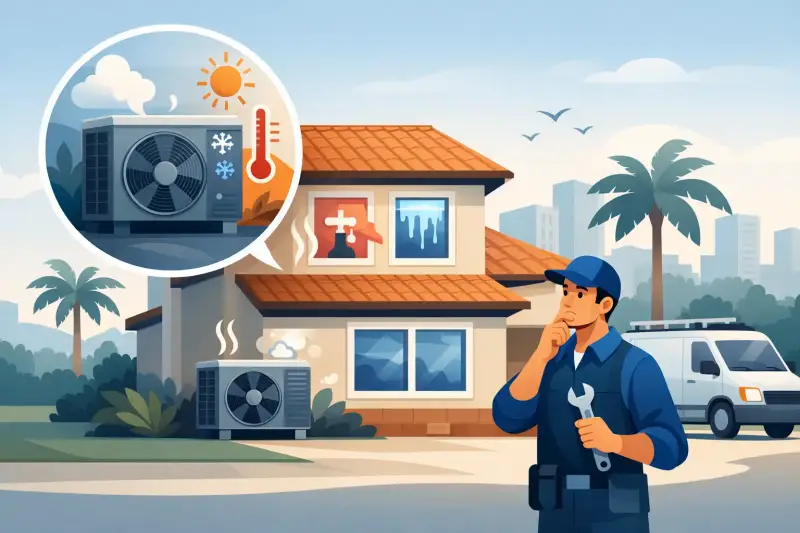
A heat pump can appear to be working while your home becomes steadily less comfortable. It may run for long stretches without reaching the thermostat setting, blow air that feels cool in heating mode, or make a new rattling sound each time it starts. When that happens, heat pump repair service Anaheim homeowners can trust is about more than restoring warmth or cooling. It is about finding the actual cause before a smaller fault becomes a larger, more expensive failure.
In Southern California, heat pumps work hard through warm summers and cool winter evenings. Because the same system handles both heating and air conditioning, a problem in one mode can affect comfort year-round. Prompt, professional diagnosis helps protect efficiency, equipment life, and your household’s routine.
Signs Your Heat Pump Needs Professional Attention
Not every change in performance means the system has failed. A dirty filter, a closed supply vent, or a thermostat set incorrectly can restrict airflow or create confusing symptoms. Still, several warning signs deserve a service call rather than a wait-and-see approach.
Weak airflow is one of the most common. If air barely reaches certain rooms, the issue may involve a clogged filter, a blower problem, duct leakage, or a system that is struggling to move air properly. Replacing a standard return-air filter is a reasonable homeowner task. If the problem continues after that, a technician should inspect the system.
A heat pump that runs constantly is another concern. During unusually hot or cold weather, longer cycles can be normal. But if the equipment runs for hours on mild days and the indoor temperature keeps drifting away from the set point, it may be low on refrigerant, have an electrical issue, or need adjustment. Constant operation increases utility costs and puts unnecessary wear on major components.
Unusual noises should also be taken seriously. A brief sound during normal start-up can be expected, but grinding, metal-on-metal scraping, loud buzzing, repeated clicking, or a high-pitched squeal are not. Turn the system off if the noise is severe or if you notice a burning smell. Continuing to run damaged equipment can turn a repairable issue into compressor or motor damage.
Other reasons to arrange service include water leaking around the indoor unit, ice building up on refrigerant lines, frequent circuit breaker trips, inconsistent temperatures between rooms, and a sudden jump in electricity use. For commercial properties, even a modest decline in climate control can affect staff, customers, inventory, or tenant satisfaction. Fast assessment helps reduce disruption.
What to Check Before Booking Heat Pump Repair Service Anaheim
A few safe checks can help rule out simple issues and give the technician useful information. Start with the thermostat. Confirm it is set to the correct mode, the temperature setting is appropriate, and the batteries are working if your model uses them. If the display is blank, check whether a tripped breaker or power issue may be involved.
Next, inspect the air filter. A heavily loaded filter restricts airflow and can make the system work harder than it should. Replace it with the correct size and type if it is visibly dirty. Also make sure supply and return vents are open and not blocked by furniture, boxes, or curtains.
Outside, look at the outdoor unit from a safe distance. Leaves, loose debris, and overgrown plants can limit airflow around the cabinet. Clear light debris from the surrounding area, but do not remove panels or try to clean internal electrical components yourself. If the unit is covered in ice, switch the system off and book service. Ice can point to an airflow, defrost-cycle, refrigerant, or mechanical problem that requires trained diagnosis.
Avoid resetting a repeatedly tripping breaker. One trip may happen for a simple reason, but recurring trips can signal an electrical fault. The same applies to refrigerant concerns. Refrigerant is not a consumable that should routinely be “topped up.” If levels are low, the system may have a leak that needs to be located and repaired properly.
Why Accurate Diagnosis Matters
Heat pump symptoms can overlap. Poor cooling may be caused by a refrigerant leak, but it can also result from a failed capacitor, dirty coil, faulty sensor, duct issue, thermostat problem, or an incorrectly sized system. Replacing a part without confirming the source of the problem can waste time and money.
A professional visit should begin with a clear assessment of how the system is operating. That can include checking thermostat communication, electrical connections, airflow, refrigerant performance, condensate drainage, the indoor and outdoor coils, and the condition of moving parts. The goal is not simply to get the unit running again. It is to identify why it stopped performing as it should.
This matters especially with older equipment. A repair may still be the practical choice when the issue is isolated and the overall system is in good condition. If repairs are becoming frequent, efficiency has fallen noticeably, or a major component has failed, replacement may deserve a straightforward conversation. The right answer depends on the equipment’s age, repair history, condition, and the needs of the property - not on a one-size-fits-all rule.
Common Heat Pump Repairs and Their Impact
Many service calls involve components that wear over time. Capacitors and contactors, for example, help the system start and operate. When they fail, the unit may hum, struggle to start, or stop running altogether. Fan motors and blower components can also wear, producing poor airflow or unusual sounds.
Drainage issues are another common source of trouble. During cooling operation, a heat pump removes moisture from indoor air. If the condensate line becomes blocked, water can back up, create a leak, or trigger a safety switch that shuts the system down. Addressing the drain issue promptly helps prevent water damage near the indoor unit.
Refrigerant leaks require careful handling. A technician should identify the leak, explain the repair options, and verify that the system is operating correctly after the repair. Simply adding refrigerant without addressing a leak may provide temporary relief but does not solve the underlying problem.
Defrost problems can arise during heating operation. The outdoor unit periodically clears light frost as part of normal operation. Excessive ice, however, can prevent efficient heat transfer and strain the equipment. The cause may be a failed sensor, control issue, restricted airflow, or another mechanical concern.
Repair, Maintenance, and Fewer Surprise Breakdowns
The most frustrating heat pump failure is often the one that follows months of small warning signs. Seasonal maintenance gives technicians an opportunity to catch worn electrical parts, drainage restrictions, loose connections, dirty coils, and airflow problems before they interrupt comfort.
For homes, regular maintenance can help keep energy use under control and reduce the chance of losing heating or cooling when you need it most. For businesses and multi-unit properties, scheduled service supports more predictable operations and fewer emergency calls. Maintenance does not prevent every breakdown, but it gives equipment a better chance to run efficiently and last longer.
Keep a simple record of repairs, filter changes, and changes in performance. If a system begins short-cycling, making a new noise, or struggling in certain weather conditions, those details can help a technician diagnose the problem more quickly.
Choosing a Service Provider for Your Property
A reliable repair visit should leave you with more than a working system. You should understand what failed, what was done, whether another issue needs monitoring, and what the expected cost is before work moves ahead. Clear communication is particularly valuable when a repair affects tenants, customers, employees, or a family’s daily routine.
Look for a local provider that can respond promptly, assess both immediate concerns and underlying causes, and explain options in plain language. HVAC Pros serves Anaheim-area homeowners and commercial property decision-makers with experienced heat pump service, emergency support, and straightforward quotes.
If your heat pump is making noise, leaking, freezing up, or no longer holding the temperature you set, acting early is usually the calmer and more cost-conscious choice. A timely inspection can restore comfort now and help prevent a small mechanical problem from becoming the next major interruption.
Air Conditioner Tune Up Anaheim Homeowners Trust
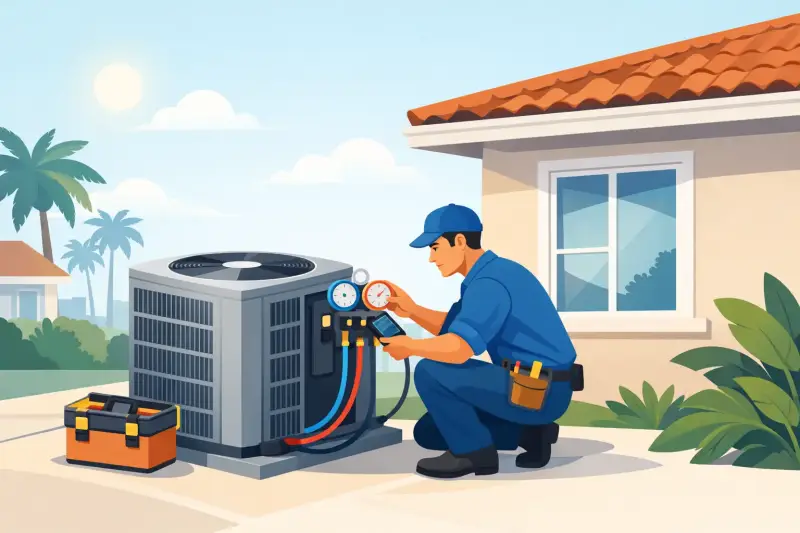
A hot Anaheim afternoon is a poor time to learn that an air conditioner has been working harder than it should. An air conditioner tune up Anaheim property owners schedule before sustained heat arrives can catch small performance issues early, improve everyday comfort, and reduce the chance of an inconvenient breakdown.
A tune-up is not simply a quick look at the outdoor unit. It is a practical inspection and maintenance visit designed to confirm that the system can cool safely, efficiently, and reliably. For homeowners, that means greater peace of mind during the hottest weeks of the year. For businesses, landlords, and facility managers, it can mean fewer tenant complaints, less operational disruption, and better control of energy costs.
What an air conditioner tune up in Anaheim should cover
Air conditioning systems have several components that need to work together. When one part is dirty, loose, worn, or incorrectly adjusted, the entire system can lose efficiency. The unit may still produce cool air, but it could take longer to cool the building, run more often, or place unnecessary strain on costly equipment.
During a professional tune-up, a technician typically inspects the equipment's condition, tests its operation, and addresses maintenance needs that can be handled during the visit. The exact work depends on the age, type, and condition of the system, but it commonly includes checking electrical connections, thermostat operation, safety controls, condensate drainage, and airflow.
The technician may also inspect the outdoor condenser, indoor evaporator area, blower components, refrigerant-related performance, and accessible ductwork connections. Cleaning debris from around the outdoor unit and confirming that the drain line is flowing properly matter more than many people realize. A clogged condensate line can lead to leaks and water damage, while restricted airflow can make the system work much harder to deliver the same result.
A good service visit should also give you a clear picture of what was found. Not every observation requires immediate repair. A capable technician can explain which concerns should be handled now, which items should be monitored, and what the likely consequences are of waiting.
Why preventive maintenance matters in Southern California
Anaheim air conditioners often experience long cooling seasons, significant temperature swings, and plenty of airborne dust. Even a system that appears to be working normally can gradually lose performance. Filters load up, outdoor coils collect debris, drains develop buildup, and mechanical parts wear with regular use.
Preventive maintenance gives these issues attention before they become service calls. It can help your system maintain steadier temperatures, reduce avoidable energy waste, and operate with less strain. That does not mean a tune-up can prevent every failure. Parts can still fail without warning, particularly in older equipment. It does, however, improve the odds of finding warning signs when the repair is smaller and scheduling is easier.
For commercial properties, the value is often even more direct. A struggling AC system can make offices uncomfortable, affect customers and staff, and interrupt operations. Restaurants, retail spaces, rental properties, and other occupied buildings need dependable cooling because postponing service can create a larger problem at the worst possible time.
Better comfort is often the first benefit
Uneven cooling, weak airflow, warm rooms, frequent cycling, and humidity concerns can have several causes. Sometimes the solution is as straightforward as a clogged filter or an airflow restriction. Other times, the system may need repair, duct adjustments, or a closer diagnosis.
A tune-up helps separate routine maintenance needs from more serious concerns. That distinction protects you from guessing. If one bedroom never cools properly or a business suite feels warmer than the rest of the building, mention it during the appointment. Details about when the problem occurs can help the technician identify the cause more efficiently.
Energy savings depend on the system's condition
Maintenance can support efficient operation, but promises of a specific dollar amount are rarely realistic without inspecting the equipment and reviewing how the property uses cooling. Savings vary with system age, insulation, thermostat settings, duct condition, occupancy, and local utility rates.
Still, neglect carries a clear cost. Dirty components and restricted airflow force an AC system to run longer. Longer run times can increase utility use and wear down parts faster. Regular service is a sensible way to protect performance, especially when replacement is not yet necessary.
Signs you should not wait for scheduled maintenance
Annual service is a strong baseline for most residential central air systems. Properties with heavy use, older equipment, or demanding commercial schedules may benefit from more structured maintenance planning. But some symptoms call for a service visit sooner rather than later.
Pay attention if your AC begins blowing warm air, makes new grinding or rattling noises, cycles on and off repeatedly, produces a musty odour, leaks water, or causes a sharp increase in energy bills. Ice on refrigerant lines, a tripped breaker, or a system that will not turn on should also be addressed promptly.
Do not repeatedly reset a breaker or keep operating a system that seems unsafe. Turn the unit off if necessary and arrange for a qualified professional to assess it. Acting early can help prevent damage to major components and avoid a more disruptive emergency repair.
What you can do before the technician arrives
There is no need to take apart your air conditioner before a tune-up. In fact, opening electrical panels or attempting refrigerant work is not a DIY task. A few simple preparations can make the appointment more productive, though.
Replace or check the air filter if it is accessible and you know the correct size and type. Clear leaves, storage items, and other obstructions away from the outdoor unit. Inside, make sure supply vents and return grilles are not blocked by furniture, rugs, or boxes. If you have noticed unusual noises, leaks, or rooms that stay too warm, make a short note of those concerns.
For commercial sites, provide access to mechanical rooms, roof equipment, thermostats, and occupied areas where comfort issues have been reported. A maintenance visit is more effective when the technician can inspect the full operating picture rather than only one visible component.
Tune-up, repair, or replacement: knowing the difference
A tune-up maintains a functioning system. It is not a substitute for repairing failed parts, correcting major refrigerant leaks, replacing damaged equipment, or resolving serious duct problems. If the technician finds an issue, ask for a straightforward explanation of the repair, expected urgency, and available options.
Replacement may be worth considering when an older system needs frequent repairs, struggles to maintain comfort, uses outdated equipment, or has a repair cost that no longer makes financial sense. Yet age alone does not automatically mean replacement is the right move. A well-maintained unit with a manageable repair may continue serving the property effectively, while a newer system with recurring issues may require a closer evaluation.
That is where a local service provider's judgment matters. HVAC Pros approaches maintenance and repair with the goal of helping property owners make practical decisions, not pushing a one-size-fits-all answer. Clear findings and straightforward quotes allow you to plan based on the condition of your equipment and the needs of your home or business.
Make maintenance part of the cooling plan
The best time to arrange service is before your AC is under maximum demand. Spring is often ideal, but any time the system is operating without an urgent failure is a worthwhile time to assess its condition. Scheduling ahead can also give you more flexibility than waiting until the first major heat wave.
Keep filters changed on schedule, give the outdoor unit breathing room, and treat changes in cooling performance as useful early warnings. A professional tune-up is a small, planned step that can help your property stay comfortable when reliable air conditioning matters most.
Clogged Kitchen Drain Repair in Anaheim Today
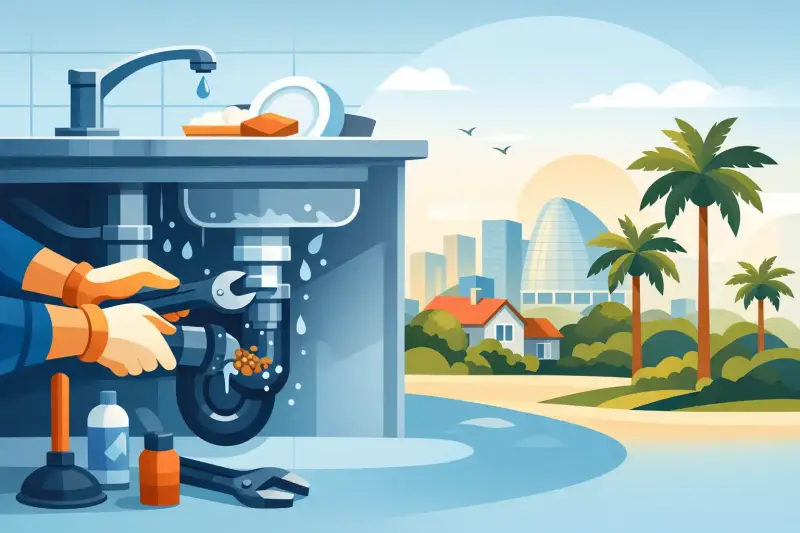
A kitchen sink that starts filling while the tap is off is more than an inconvenience. It can stop meal preparation, leave dirty water sitting in the basin, and create a real risk of cabinet or floor damage if the blockage worsens. Clogged kitchen drain repair in Anaheim often begins with a small warning - slower drainage after dishes, a gurgling sound, or an odour that returns after cleaning. Acting early usually means a simpler repair and less disruption to your home or business.
Kitchen drains handle a tough mix of grease, food particles, soap residue, and detergent. Over time, those materials collect along the inside of the pipe and narrow the path for water. A quick fix may help with a light blockage, but recurring clogs need a closer look at what is happening farther down the line.
What Usually Clogs a Kitchen Drain?
Grease is one of the most common causes. It may look harmless when it is warm and liquid, but it cools as it travels through the plumbing. It then sticks to pipe walls and catches other debris. Cooking oil, pan drippings, butter, mayonnaise, and creamy sauces all contribute to the same problem.
Food scraps can also build up, even in homes with a garbage disposer. Rice, pasta, coffee grounds, eggshells, fibrous vegetables, and potato peels can swell, bind together, or catch on existing grease. A disposer breaks material into smaller pieces, but it does not make every food item safe for the drain.
In commercial kitchens, the volume of use changes the equation. A restaurant staff member may be careful at the sink, yet frequent dishwashing and food preparation can send enough grease and debris into the system to create a blockage quickly. For landlords and facility managers, one slow kitchen sink can also point to a shared branch line that needs prompt attention.
Safe First Steps for a Slow Kitchen Sink
If the sink is draining slowly but has not backed up, start by stopping water use for a few minutes. Running more water into a restricted pipe can turn a manageable issue into an overflow. Remove visible food debris from the strainer and clean the sink basket.
Next, use a sink plunger designed for flat surfaces. If there is a double-bowl sink, seal the second drain opening with a wet cloth or stopper so pressure stays focused on the clogged side. Add enough water to cover the plunger cup, then make several firm, controlled strokes. Check whether water begins to drain more freely before repeating.
A small amount of hot water can help loosen fresh soap and grease residue, but avoid pouring boiling water into older plumbing or a sink already holding standing water. The goal is to improve flow, not force a blockage farther into the system. If you have a garbage disposer, turn off its power at the switch and breaker before checking it. Never place a hand inside the disposer.
These steps are reasonable for a minor clog. They are not a substitute for professional service when water remains in the sink, the clog returns, or other fixtures begin to drain slowly.
When Clogged Kitchen Drain Repair Needs a Plumber
A persistent clog often sits beyond the P-trap beneath the sink, where household tools cannot reach effectively. A licensed plumber can identify whether the problem is grease accumulation, a compacted food blockage, a damaged pipe, or an obstruction in a larger branch line. Proper equipment clears the line while helping protect the plumbing from unnecessary damage.
Call for professional clogged kitchen drain repair in Anaheim when you notice any of the following:
- Water backs up into the sink when the dishwasher drains.
- The sink clogs again soon after plunging or cleaning the trap.
- Both sides of a double sink drain slowly or fill with standing water.
- You hear gurgling from nearby drains or notice water rising in another fixture.
- There is a sewage-like odour, leaking under the cabinet, or water reaching the floor.
Those signs can indicate a blockage farther down the drain system. In a commercial setting, delaying service can interrupt food preparation, create sanitation concerns, and lead to avoidable downtime. A prompt diagnosis gives property decision-makers a clearer path forward and helps prevent a small plumbing issue from affecting daily operations.
Why Chemical Drain Cleaners Can Make Things Worse
It is understandable to reach for a store-bought drain cleaner when the sink will not drain. The trade-off is that harsh chemical products can create more risk than relief. They may not reach a dense grease blockage, and they can sit in the pipe generating heat and fumes. Repeated use may damage certain pipes, seals, and fixtures.
Chemical cleaners also create a safety hazard for anyone who later opens the trap or works on the line. Never mix drain-cleaning products, and do not combine them with bleach, vinegar, or another household cleaner. If a chemical product has already been used, tell the plumber before work begins so they can take appropriate precautions.
Mechanical clearing and professional drain-cleaning methods are generally more dependable because they address the obstruction directly. The right approach depends on the pipe material, the clog location, and the condition of the drain line. That is why a straightforward inspection matters when the problem is more than a one-time slow drain.
Protecting Cabinets, Floors, and Business Operations
Standing water is only part of the concern. When a kitchen drain is blocked, water can find its way through loose connections under the sink or overflow the basin. Particleboard cabinets, laminate flooring, and drywall do not tolerate prolonged moisture well. Moving stored items away from the sink cabinet and placing towels around a minor leak can limit damage while service is arranged.
For business owners and facility managers, isolating the affected sink can help keep the situation contained. Post a clear notice so staff do not use the fixture, avoid running the dishwasher connected to that drain, and keep the surrounding area dry to reduce slip hazards. If drainage failure affects a food-service operation, follow your site’s sanitation procedures while the line is being assessed.
HVAC Pros provides local plumbing support alongside heating and air conditioning services, giving Anaheim property owners one accountable team for essential mechanical systems. Whether the issue is a single kitchen sink or a drain concern affecting a larger property, clear communication about the source of the problem and the recommended repair helps customers make practical decisions.
How to Prevent the Next Kitchen Drain Clog
The best prevention is simple and consistent. Let grease cool in a container and dispose of it in the garbage rather than washing it down the sink. Scrape plates into the compost or waste bin before rinsing, and use the disposer only for suitable small food particles with cold water running.
Regular cleaning of the sink strainer prevents debris from entering the drain in the first place. If your kitchen sees heavy use, be especially mindful after large family gatherings, holiday cooking, or busy service periods. Those are common times for grease and food waste to build up faster than usual.
A drain that repeatedly slows down is not something to keep treating with temporary fixes. It is a useful signal that the line needs professional attention before it becomes a full backup. Taking care of it while the sink still functions can protect your property, your schedule, and the people who rely on the kitchen every day.

Water Line Repair Anaheim: Signs You Need Help
A water line problem rarely stays small for long. A damp patch near the foundation, a sudden drop in water pressure, or a water bill that does not match your normal use can point to a hidden leak. Prompt water line repair Anaheim property owners arrange can protect walls, landscaping, flooring, and daily operations before a minor issue becomes expensive property damage.
The right repair begins with finding the real source of the problem. Water may travel through soil, framing, or concrete before it becomes visible, so the place where you notice moisture is not always where the line has failed. A qualified plumber can assess the symptoms, locate the affected line, explain the repair options clearly, and help you make a practical decision for your home or business.
Signs You May Need Water Line Repair in Anaheim
Some water line failures are obvious, such as water pooling from a burst pipe. Others develop quietly over weeks or months. Paying attention to early warning signs gives you a better chance of arranging a controlled repair rather than dealing with an emergency.
An unexplained increase in your water bill is one of the most common clues. If your usage habits have not changed but your charges have, water may be escaping from a supply line underground, inside a wall, or beneath a slab. You can also watch the water meter when all fixtures and appliances are off. Continued movement may indicate a leak, although a plumber should confirm the cause.
Low water pressure throughout the property is another concern. A single weak faucet may be a local fixture issue, but reduced pressure at several fixtures can suggest a damaged, corroded, or restricted water line. Discoloured water, a metallic taste, or recurring particles at faucets may also be associated with deteriorating pipes, particularly in older properties.
Outside, soggy soil, unusually green patches of lawn, pooling water, or a soft area near a buried line deserve attention. Indoors, look for peeling paint, warped flooring, musty odours, damp drywall, or the sound of running water when no fixture is in use. Commercial property managers should also take recurring restroom complaints, unexplained utility increases, and wet areas near mechanical rooms seriously. These issues can disrupt tenants, customers, and business operations if left unresolved.
Why Water Lines Fail
Water lines work under constant pressure, and several conditions can weaken them over time. Age is a major factor. Older galvanized or corroded pipes can narrow internally, restrict water flow, and eventually leak. Pipe materials, installation quality, soil conditions, and past repairs all influence how long a line lasts.
Underground lines can also be affected by shifting soil, tree roots, ground movement, and pressure changes. In some cases, a previous repair solved an immediate leak but left an aging line with other weak points. This is why repairing only the visible symptom is not always the best long-term choice.
For homes, the decision often comes down to the line’s condition and the extent of the damage. For commercial properties, the stakes may include business interruption, tenant comfort, sanitation concerns, and possible damage to inventory or finished spaces. A fast diagnosis matters, but so does choosing a repair that fits the property’s expected use and budget.
Finding the Leak Before Repairs Begin
Effective water line repair depends on accurate detection. Guessing can lead to unnecessary digging, wall removal, or disruption. A plumbing professional will usually start by reviewing the symptoms, checking pressure, inspecting visible plumbing connections, and testing the system where appropriate.
Depending on the property and suspected leak location, the assessment may involve electronic leak detection, moisture readings, camera inspection of nearby drain lines, or pressure testing. These methods help narrow down whether the issue is in a main water line, a branch supply line, a fixture connection, or another part of the plumbing system.
This step is especially valuable for slab leaks and buried water lines. Breaking concrete or excavating landscaping without a confirmed location can add avoidable cost and inconvenience. A clear diagnosis allows the repair plan to be based on evidence, not assumptions.
Repair or Replace: What Makes Sense?
There is no single answer for every leaking water line. A localized crack, failed fitting, or damaged accessible section may be repaired efficiently. If the pipe is otherwise in good condition, a targeted repair can restore service with minimal disruption.
Replacement may be the wiser option when leaks keep returning, pipe corrosion is widespread, or the existing line no longer provides reliable pressure. Replacing a longer section can cost more upfront, but it may reduce repeat callouts, water loss, and damage risk over time. The best approach depends on the pipe material, accessibility, age, repair history, and how long you plan to keep the property.
For a line beneath a slab or behind finished walls, access is an important trade-off. Direct access may be suitable when the affected area is easy to reach and repairs are limited. In other situations, rerouting a line can avoid extensive concrete removal or interior restoration. A professional should explain both the immediate price and the likely long-term implications before work begins.
What to Do While You Wait for Service
If you suspect an active water line leak, act quickly but safely. First, turn off the water supply if water is flowing freely, spreading indoors, or threatening electrical equipment. Most homes have a main shutoff valve near the water meter, garage, exterior wall, or where the service line enters the building. Commercial properties may have larger shutoff valves or multiple isolation points.
Move valuables away from wet areas and use towels or containers to limit spreading water where it is safe to do so. Avoid using electrical appliances near standing water. If water is close to outlets, panels, or equipment, keep clear of the area and seek urgent professional help.
Do not assume that a wet patch will dry without consequences. Moisture behind walls or beneath flooring can lead to material damage and mould concerns. Taking photos of the affected area and noting when you first noticed the issue can also help with the repair assessment and any insurance documentation.
Preventing Future Water Line Problems
Not every failure can be prevented, but regular attention can reduce unpleasant surprises. Watch your water bills for changes, address pressure problems early, and arrange an inspection after repeated leaks. If your property has older plumbing, ask whether a proactive assessment or planned replacement would be more cost-effective than waiting for a failure.
For commercial buildings, scheduled plumbing maintenance can support continuity by identifying worn valves, aging supply lines, and pressure concerns before they affect staff, customers, or tenants. It also helps facility managers plan repairs around operating hours rather than reacting to a shutdown.
HVAC Pros provides plumbing support alongside heating and cooling services, giving local property owners one accountable team for essential mechanical systems. A straightforward quote and a clear explanation of the work can make a stressful water line issue easier to manage.
When water behaves differently at your property, trust the change rather than waiting for visible damage. A timely inspection can turn an uncertain leak into a defined repair plan and help keep your home or business running as it should.

Commercial Plumbing Maintenance Anaheim: A Plan
A restroom closure during the lunch rush, a slow leak above finished offices, or a blocked main drain can interrupt far more than a single plumbing fixture. For local businesses, commercial plumbing maintenance Anaheim property managers schedule proactively is a practical way to protect operations, avoid water damage, and keep staff and customers comfortable.
Plumbing systems do not usually fail without warning. Small changes - a drain that clears more slowly, a toilet that keeps running, rising water bills, or inconsistent hot water - often point to an issue that can be addressed before it becomes an emergency. The right maintenance plan gives facility teams a clear picture of system condition and a dependable response when repairs are needed.
Why commercial plumbing deserves scheduled attention
Commercial plumbing handles higher demand than most residential systems. Restaurants, offices, retail spaces, medical facilities, warehouses, and multi-unit properties may have dozens of fixtures, long drain runs, water heaters, backflow equipment, and tenant-specific plumbing needs. A problem in one part of the building can affect people well beyond the immediate area.
The direct cost of a plumbing failure is only part of the concern. A leak can damage flooring, walls, inventory, electrical components, or neighbouring suites. A sewer backup can create sanitation concerns and force a temporary closure. If hot water is unavailable, employee washrooms, kitchens, cleaning routines, and customer services may all be affected.
Scheduled service is not about repairing equipment that is still working perfectly. It is about finding wear, restrictions, pressure issues, and minor leaks while the repair can be planned around your operating hours. That usually means less disruption, fewer after-hours surprises, and more control over maintenance spending.
What a commercial plumbing maintenance visit should cover
A useful maintenance visit begins with the areas that affect daily operations most: washrooms, staff kitchens, utility rooms, water-heating equipment, and main water and drain connections. The exact scope depends on the building, its age, occupancy, and industry. A restaurant needs more drain-focused attention than a small professional office, while a multi-tenant building may require closer monitoring of shared water infrastructure.
Fixture and leak inspections
Technicians check toilets, faucets, urinals, sinks, shutoff valves, supply connections, and visible piping for signs of leakage or poor operation. A running toilet or dripping faucet may look minor, but continuous water loss adds up quickly. Leaks beneath sinks and behind equipment can also go unnoticed until cabinetry, drywall, or flooring has already been damaged.
Maintenance should include checking that fixtures flush, fill, drain, and shut off properly. It is also a good time to identify worn parts that should be replaced before they fail during business hours.
Drain performance and blockage prevention
Slow drains are among the clearest early warning signs in a commercial property. The cause may be grease, soap buildup, paper products, sediment, scale, root intrusion, or a developing issue farther down the line. Repeated plunging is not a maintenance strategy, especially when several fixtures are affected.
A professional assessment can determine whether cleaning, snaking, hydro jetting, camera inspection, or repair is appropriate. The right method matters. Aggressive cleaning is not always necessary for every drain, and older pipes may need a more careful approach. The goal is to remove the cause of recurring restrictions without creating unnecessary wear or expense.
Water pressure, valves, and supply lines
Water pressure that is too high can strain fixtures, appliances, connectors, and valves. Pressure that is too low can make washrooms, kitchens, and cleaning stations frustrating to use. During maintenance, a plumber can assess pressure concerns and inspect visible supply lines for corrosion, movement, or deterioration.
Shutoff valves deserve special attention. In an emergency, staff need to be able to isolate water quickly. A valve that is seized, inaccessible, or poorly labelled can turn a small leak into a much larger property-loss event. Facility managers should know where main shutoffs are located and keep access clear.
Hot water equipment and temperature consistency
Commercial water heaters work hard, particularly in food service, healthcare, fitness, and multi-tenant settings. Maintenance can include checking for leaks, unusual noises, sediment buildup, temperature concerns, venting issues where applicable, and signs that the unit is nearing the end of its service life.
There is a balance to maintain with hot water temperatures. Water must be warm enough to support the building's operations, but overly hot water can create safety risks and waste energy. A qualified technician can help assess equipment performance while keeping the needs of the property in view.
Build a maintenance schedule around your building
There is no single interval that fits every business. A lightly used office may need a different approach than a restaurant with busy kitchen drains or an older commercial building with ageing pipework. Usage patterns, the number of occupants, past repair history, and the condition of existing equipment should guide the schedule.
For many properties, periodic inspections combined with prompt repairs offer a sensible baseline. Higher-demand locations may benefit from more frequent drain service, water-heater checks, and fixture inspections. Seasonal planning can also help, especially for exterior plumbing, irrigation connections, vacant units, and areas exposed to temperature changes.
Keep simple records of drain backups, leaks, fixture replacements, water bills, and service calls. Patterns in those records can be more valuable than a single incident. For example, recurring clogs in the same washroom or repeated repairs on one water heater may indicate a larger issue that needs a longer-term solution.
Warning signs that should not wait for the next visit
Preventive maintenance reduces risk, but it does not eliminate the need for fast repairs. Call for professional help promptly if you notice sewage odours, water staining, pooling water, a sudden drop in water pressure, multiple slow drains, discoloured water, or an unexplained increase in water use.
A few situations require immediate action. If a pipe has burst, a major drain is backing up, or water is reaching electrical equipment or occupied spaces, shut off water if it is safe to do so and arrange emergency service. Keeping the contact information for a qualified local provider available to managers and on-site staff can save critical time.
Choose one accountable maintenance partner
Commercial properties often have separate providers for HVAC, plumbing, and emergency repairs. That can work, but it can also create delays when a problem overlaps systems. Condensate drains, mechanical rooms, water-heating equipment, and utility connections can all affect building comfort and operations.
Working with one qualified provider for ongoing mechanical and plumbing needs can make communication simpler. The provider should offer clear findings, explain repair options in plain language, respect tenant and customer areas, and provide straightforward quotes before planned work begins. Emergency availability is also valuable, but a strong maintenance relationship should reduce how often you need to use it.
HVAC Pros helps Anaheim-area property decision-makers maintain essential plumbing and climate-control systems with prompt service and practical maintenance planning. Whether the concern is a recurring drain issue, a hidden leak, or equipment that is showing its age, addressing it early gives your business more options than waiting for a shutdown to force the decision.
A well-maintained plumbing system rarely gets attention from customers or staff - and that is exactly the point. When water flows where it should, drains stay clear, and repairs are planned instead of rushed, your property can stay focused on the work it is meant to do.