

607-533-1380
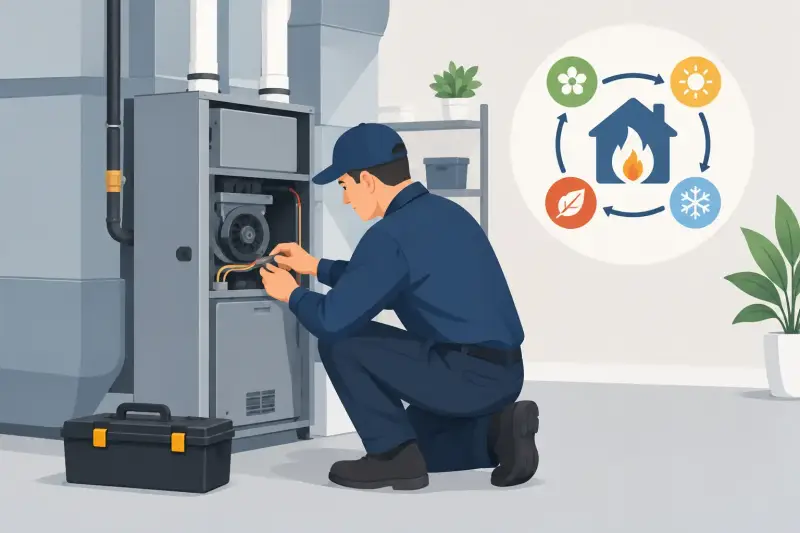
Should a Furnace Get Annual Service Every Year?
A furnace can sit quietly through much of an Anaheim year, then become the one system everyone notices on a cold evening. That is why homeowners often ask, “Should a furnace get annual service?” For most gas, electric, and high-efficiency furnaces, the answer is yes. A professional yearly visit is a practical way to catch wear, safety concerns, and efficiency losses before you need dependable heat.
Annual service is not about finding problems that are not there. It is about checking the components that work together to start, heat, move air, and shut down safely. The goal is simple: fewer surprises, steadier comfort, and a clearer picture of your equipment’s condition.
Should a Furnace Get Annual Service if It Still Works?
Yes. A furnace that turns on is not necessarily operating at its best. Many developing issues do not stop the system immediately. A dirty flame sensor may cause occasional shutdowns. A weakening blower component may still move air, but with extra strain. A small drainage problem in a high-efficiency furnace can become a no-heat call when temperatures drop.
Regular service gives a technician the chance to inspect the system before those smaller concerns become urgent repairs. It also helps confirm that safety controls are functioning as intended, particularly on gas-fired equipment.
For Southern California properties, the question sometimes feels less urgent because heating seasons are shorter than in colder regions. That is understandable, but occasional use can be its own challenge. A furnace may go months without running, allowing dust to collect and unnoticed wear to remain hidden until the first cool spell. Testing it before regular heating use is usually far easier than addressing a breakdown on the day it is needed.
Annual service is especially worthwhile if your furnace is more than 10 years old, has needed repairs recently, makes new noises, heats unevenly, or has been running up utility costs. Those are not automatic signs that replacement is necessary. They are reasons to have an experienced technician assess the equipment and explain the practical options.
What Annual Furnace Service Usually Includes
A proper maintenance visit should be more than a quick look at the thermostat. The exact work depends on the furnace type, age, condition, and manufacturer requirements, but a thorough appointment generally focuses on performance, safety, and airflow.
For a gas furnace, the technician may inspect the burner area, ignition sequence, flame sensor, gas connections, venting, and heat exchanger condition. They will test key safety controls and look for signs of overheating, incomplete combustion, corrosion, or water-related damage. If carbon monoxide concerns are present, they should be addressed promptly rather than treated as a routine inconvenience.
The technician also checks the electrical side of the system. This can include wiring connections, blower operation, motors, capacitors, and the thermostat’s communication with the furnace. Loose connections, worn electrical components, and a blower that is drawing excessive power can affect reliability long before the furnace fails completely.
Airflow deserves equal attention. A restricted filter, dirty blower assembly, blocked return vent, or duct issue can make a furnace work harder than necessary. In homes, poor airflow often shows up as rooms that never feel as warm as the thermostat setting suggests. In commercial spaces, it can lead to comfort complaints, uneven temperatures, and unnecessary strain during occupied hours.
High-efficiency furnaces have additional drainage and venting components that need inspection. Condensate lines can clog, and vent pipes must remain properly connected and clear. These details matter because a furnace can shut itself down when it detects a condition that could affect safe operation.
A maintenance visit may include cleaning where appropriate, but cleaning alone is not the value of service. The value is the technician’s judgment: recognizing which parts are operating normally, which should be monitored, and which should be repaired before they create a larger problem.
The Benefits Go Beyond Avoiding a Breakdown
The clearest benefit of annual service is reliability. A furnace that receives regular attention is less likely to fail because of a preventable issue such as a dirty sensor, blocked drain, loose electrical connection, or neglected filter. No service can guarantee that a part will never fail, but it reduces the chance that a small, visible issue becomes an after-hours emergency.
Efficiency is another reason to keep up with maintenance. When airflow is restricted or components are not operating correctly, the furnace may run longer to produce the same result. That can add to energy use and increase wear across the system. A well-maintained furnace is better positioned to deliver the heat it was designed to provide without unnecessary strain.
There is also a budgeting advantage. An annual appointment creates a record of the system’s condition over time. Rather than being told during a failure that an aging furnace needs a major decision immediately, you can plan ahead when repair frequency rises or critical components begin to show their age. For landlords and facility managers, this visibility supports better capital planning and fewer disruptive surprises.
Manufacturer warranty requirements are another factor. Some warranties require documented professional maintenance to preserve coverage. Check your equipment documents or ask a qualified technician to explain the applicable terms. Skipping service can be a costly choice if a later warranty claim depends on maintenance records.
When to Schedule Furnace Maintenance
Early fall is usually the best time to schedule annual service. The furnace can be checked before cooler weather arrives, and you have time to make decisions without the pressure of a no-heat situation. It also helps avoid the busiest period for heating repair calls.
That said, it is not too late if the heating season has already started. Schedule service whenever you notice unusual cycling, delayed ignition, cold air from the vents, new odors, louder operation, or inconsistent temperatures. If you smell gas, see soot near the unit, suspect carbon monoxide, or your carbon monoxide alarm activates, treat that as an immediate safety concern and seek prompt professional help.
Commercial properties may need a more structured approach. Restaurants, offices, retail spaces, multifamily buildings, and other occupied facilities often benefit from scheduled inspections that account for operating hours, equipment age, and the cost of downtime. One missed heating system can affect employees, tenants, customers, and daily operations.
What Property Owners Can Handle Between Visits
A few simple habits support professional furnace service. Replace or clean the air filter on the schedule recommended for your system and household conditions. Keep supply and return vents open and clear of furniture, boxes, or rugs. Make sure the area around the furnace is free of storage, flammable materials, and clutter.
You can also pay attention to changes. If the system starts and stops more often than usual, takes longer to heat the space, or produces a new rattle or squeal, make a note of it. Those observations help a technician diagnose the issue more efficiently.
Avoid opening sealed combustion components, adjusting gas connections, or attempting electrical repairs yourself. Furnaces combine fuel, electricity, heat, moving parts, and safety controls. A straightforward quote from a qualified professional is a safer starting point than guessing at the cause of a problem.
Is Annual Service Ever Optional?
For a newer electric furnace in a lightly used home, the immediate risk of skipping one visit may be lower than it is for an older gas furnace. But lower risk is not the same as no benefit. Even newer equipment relies on proper airflow, electrical connections, controls, and thermostat operation.
The better question is not whether every furnace will fail without annual service. It is whether avoiding a scheduled inspection is worth the increased uncertainty. For most homeowners and property managers, a yearly check is a reasonable investment in safety, comfort, and equipment life.
If your furnace has not been inspected since last heating season, schedule the visit before you need to rely on it. A calm maintenance appointment gives you time to address concerns clearly and professionally, instead of making decisions in the middle of a cold-night breakdown.