

607-533-1380 HVAC
702-935-3299 PLUMBING
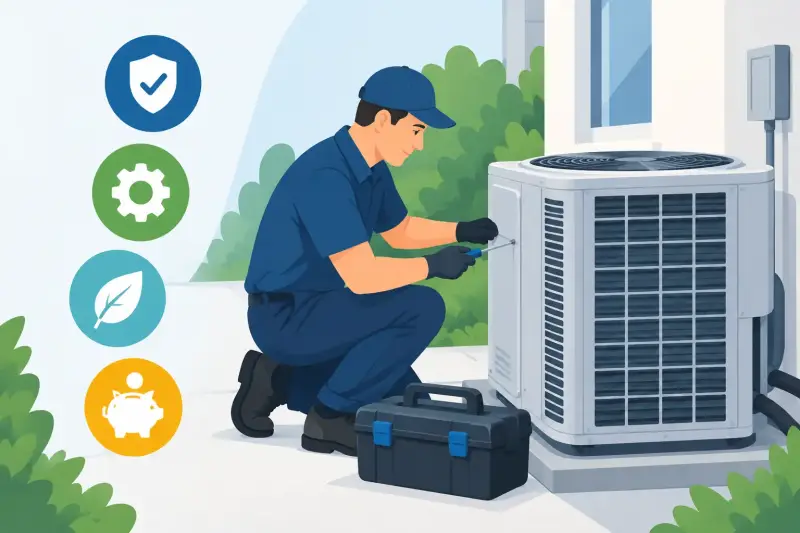
HVAC Maintenance Agreement Benefits That Matter
A cooling system rarely fails at a convenient time. It quits during a hot Southern California afternoon, just as a home fills with guests or a business needs every room comfortable for customers and staff. The practical value of HVAC maintenance agreement benefits is that they shift attention from the emergency itself to the small issues that often cause it.
A maintenance agreement is a scheduled plan for professional heating and air conditioning care. Instead of waiting for a strange sound, weak airflow, or a complete shutdown, you receive routine visits designed to keep equipment operating safely and efficiently. For homeowners, that means less uncertainty around a major household system. For property managers and business owners, it means a more organized way to protect comfort, operations, and equipment budgets.
What an HVAC Maintenance Agreement Typically Covers
The details vary by provider and by the equipment in your property, but a quality agreement is built around preventive inspections and tune-ups at appropriate times of year. A technician may inspect electrical connections, test system controls, check refrigerant performance, clean accessible components, assess airflow, inspect drains, and look for wear that could lead to a breakdown.
For heating equipment, maintenance may include checking ignition components, burners, safety controls, and the condition of the heat exchanger where applicable. For air conditioning, the focus often includes condenser performance, indoor coil condition, blower operation, condensate drainage, and thermostat accuracy. Filters may be replaced or discussed based on the plan and the filter type your system uses.
A good agreement should also make clear what is and is not included. Routine maintenance is not the same as a new part, a major repair, or system replacement. Ask about visit frequency, service scheduling, repair priority, and whether there are discounts on covered repairs. Straightforward terms help you compare plans based on real value rather than a low monthly price alone.
HVAC Maintenance Agreement Benefits for Your Property
Fewer surprise breakdowns
Most equipment failures are not completely unpredictable. A worn capacitor, loose electrical connection, blocked drain, dirty coil, or weakening blower motor can often show warning signs before the system stops working. During a maintenance visit, a trained technician can identify those signs and explain the next practical step.
That does not mean maintenance can prevent every repair. Parts can fail without warning, and older systems naturally become less dependable over time. Still, catching problems early can turn a stressful after-hours emergency into a planned repair that is easier to schedule and budget for.
Better day-to-day efficiency
Heating and cooling equipment must work harder when airflow is restricted, coils are dirty, refrigerant performance is off, or components are not operating as intended. That extra effort can show up as longer run times and higher utility bills, even when the indoor temperature still feels acceptable.
Maintenance helps restore the conditions your system needs to operate efficiently. The savings will depend on the age, condition, size, and use of the equipment, so no honest contractor should promise one fixed dollar amount. But a system that is clean, inspected, and properly adjusted has a better chance of avoiding needless energy waste.
Longer useful equipment life
An HVAC system is a significant property investment. Routine service cannot make it last forever, but it can reduce the ongoing strain caused by neglected airflow, drainage, electrical, and mechanical issues. When equipment runs with fewer avoidable problems, major components may face less wear over the years.
This matters especially for owners of aging systems. Regular inspections provide a clearer picture of whether repairs still make financial sense or whether replacement planning should begin. That information gives you time to consider efficiency options and budget responsibly instead of making a rushed decision during a failure.
Safer operation and healthier indoor conditions
Maintenance is not only about temperature. Heating equipment requires safety checks, and air conditioning systems need reliable drainage and clean airflow paths. A neglected condensate line can create water damage risks. Dirty filters and restricted airflow can contribute to uneven comfort and more dust moving through the property.
For homes with pets, allergies, frequent visitors, or rooms that are used every day, filter condition and airflow deserve particular attention. In commercial spaces, poor temperature control can affect staff comfort, customer experience, and tenant satisfaction. Preventive service helps keep small comfort complaints from becoming larger operational problems.
Priority when service is needed
Many maintenance agreements include preferred scheduling or priority consideration when an unexpected repair is needed. This can be especially valuable during periods of extreme heat, when service demand rises and waiting for an appointment feels much longer.
For a restaurant, office, retail space, rental property, or other commercial facility, faster access to qualified service can reduce downtime and complaints. A homeowner may value the same benefit for a vulnerable family member, a home office, or simply the peace of mind of knowing there is an established service provider familiar with the system.
More predictable maintenance costs
Emergency repairs have a way of disrupting more than a schedule. They can force quick decisions, create uncomfortable conditions, and introduce unplanned expenses. A maintenance agreement creates a regular service rhythm, making routine care easier to anticipate.
Some plans also provide repair discounts or other member benefits. Those details can be useful, but the main financial value is often earlier diagnosis. Replacing a worn part before it creates additional damage may cost less than addressing a larger failure after the system has been pushed beyond its limits.
When a Maintenance Agreement Makes the Most Sense
Almost every occupied property can benefit from scheduled HVAC care, but the value is strongest when reliability matters. Households that depend heavily on central air conditioning, own older equipment, or have had repeat repairs often gain reassurance from regular inspections. Newer systems also benefit because routine care helps protect performance from the start and may support manufacturer maintenance requirements.
For commercial properties, the case is often even clearer. Multiple units, extended operating hours, tenant expectations, and business continuity make reactive service expensive. A structured maintenance plan gives facility managers a service record and a better opportunity to address concerns before a unit fails during business hours.
It also helps to consider the full property picture. If your provider offers both HVAC and plumbing service, coordinating preventive care can simplify vendor management. The systems are different, but both can create costly disruption when a small warning sign is ignored. One accountable local team can make scheduling and communication easier, particularly for landlords and busy property owners.
How to Choose the Right Agreement
Do not choose a maintenance agreement based on price alone. Ask whether the provider is qualified to work on your equipment, what each visit includes, and how findings are documented. You should receive clear explanations, not pressure to approve work you do not understand.
Look for a service company that treats maintenance as real diagnostic work rather than a quick checklist. A useful visit should leave you with a better understanding of your system's condition, any developing concerns, and the recommended timing for repairs. For commercial customers, ask whether the plan can be tailored to the number of units, operating schedule, and site requirements.
HVAC Pros helps Anaheim-area homeowners and businesses keep heating and cooling systems under closer watch with preventive maintenance designed around dependable performance and clear communication. If a technician identifies a problem, you should know what is happening, why it matters, and what the repair options are before moving forward.
The best time to set up maintenance is while your equipment is still working. Schedule service before the next heavy-use season, keep a record of repairs and filter changes, and give small changes in comfort the attention they deserve. That simple habit can make your next hot day, cool evening, or busy workweek far less stressful.