

CALL 607-533-1380 OR
Heat Pump Repair: Signs You Should Not Ignore
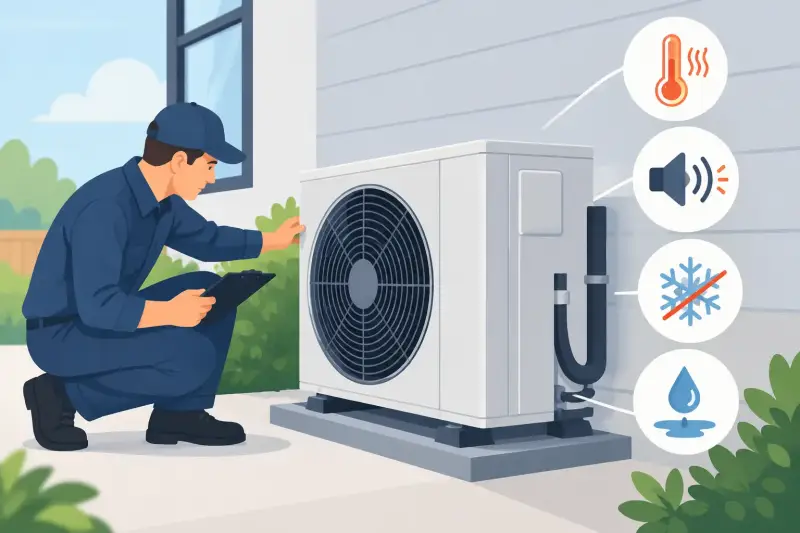
A heat pump that suddenly blows cool air on a chilly morning, runs nonstop without changing the temperature, or makes a new grinding sound needs attention. Timely heat pump repair can often prevent a manageable component issue from becoming a full system failure, especially when the unit is working hard through Southern California temperature swings.
Heat pumps do two jobs: they cool your space in warm weather and move heat indoors when temperatures drop. That year-round workload makes reliable operation and regular care especially valuable for homeowners, landlords, and commercial property managers. The key is knowing which symptoms can wait for a scheduled visit and which call for prompt professional service.
When Heat Pump Repair Is the Right Call
Not every change in comfort means the system needs a major repair. A dirty filter, a closed supply vent, or a thermostat set incorrectly can all affect performance. Still, recurring problems are not something to ignore. A heat pump should deliver consistent comfort without unusual noise, excessive cycling, or a sharp jump in utility use.
One of the clearest warning signs is weak heating or cooling. If air is coming from the vents but rooms never reach the thermostat setting, the cause may range from restricted airflow to a refrigerant issue, a failing compressor, or an electrical control problem. Because several faults can create the same symptom, a professional diagnosis matters more than guessing at the fix.
Frequent short cycling also deserves attention. This is when the system starts, stops, and starts again in brief intervals. It can put unnecessary strain on electrical components and the compressor. Sometimes the source is simple, such as a clogged filter. Other times, it involves thermostat placement, system sizing, refrigerant pressure, or a failing part.
Unusual sounds should be treated the same way. A brief whoosh when the system starts may be normal. Rattling, buzzing, squealing, grinding, or persistent clicking is not. Loose hardware can cause a rattle, while grinding may point to a motor or bearing issue. Waiting until the unit stops entirely can turn a smaller repair into a more costly service call.
Problems You Can Check Safely First
Before arranging service, there are a few basic checks that property owners can make without opening equipment panels or handling electrical parts. Confirm that the thermostat is set to the correct mode and temperature, then check that the circuit breaker has not tripped. If the breaker trips again after being reset once, leave it off and call for service. Repeated tripping can signal an electrical fault that should not be repeatedly reset.
Next, inspect the air filter. A heavily loaded filter limits airflow, reduces comfort, and makes the system work harder. Replace it with the correct size and type if it is dirty. Also make sure supply and return vents are open and not blocked by furniture, boxes, or drapes.
For the outdoor unit, look for leaves, grass clippings, trash, or stored items crowding the equipment. Clear loose debris from around it, but do not spray components, straighten coil fins, or remove access panels yourself. Heat pumps contain electrical and refrigerant systems that require trained handling.
If the unit is in heating mode, some frost on the outdoor coil can be normal in certain conditions. The system should periodically enter a defrost cycle and clear it. Thick ice that remains, returns quickly, or covers most of the unit is different. Shut the system down if recommended by your thermostat or installer instructions, and arrange a professional inspection. Running an iced-over heat pump can damage components and leave your property without dependable heating.
What a Professional Heat Pump Diagnosis Involves
A qualified technician does more than identify the loudest symptom. Effective heat pump repair begins with checking how the system operates as a whole. That usually includes thermostat operation, airflow, electrical connections, safety controls, capacitor performance, blower and outdoor fan operation, and the condition of the indoor and outdoor coils.
When refrigerant performance is suspected, the technician will test pressures and look for the underlying cause. Refrigerant is not something that should simply be topped off without investigation. A low level can indicate a leak, and the right repair depends on finding and addressing it before restoring the system to proper operating conditions.
The technician may also inspect the reversing valve, which allows the heat pump to switch between heating and cooling. A system that cools but will not heat, or heats but will not cool, may have a problem with this component, its controls, or another part of the changeover process. Accurate diagnosis prevents replacing parts that are not actually failing.
For commercial properties, diagnosis should also account for operational needs. A restaurant, office, rental property, or retail space may need a repair plan that minimizes disruption to occupants and business hours. Clear communication about the problem, available options, and expected timing helps managers make sound decisions quickly.
Repair or Replacement: How to Make the Decision
A repair is often the sensible choice when the heat pump is relatively new, has been maintained, and needs a straightforward part replacement. Electrical components, contactors, capacitors, sensors, fan motors, and drainage-related issues can frequently be addressed without replacing the entire unit.
Replacement becomes more worth discussing when repairs are frequent, the system is near or beyond its expected service life, or a major component such as the compressor has failed. Efficiency matters too. An aging unit that runs for long periods and still struggles to maintain temperature may cost more month after month than its repair bill suggests.
There is no single age at which every heat pump should be replaced. Installation quality, maintenance history, usage, and local conditions all affect equipment life. A good service provider should explain the repair clearly, provide a straightforward quote, and help you compare the near-term cost with the long-term value of replacement. The right answer depends on the system's condition and your property plans, not on a one-size-fits-all rule.
Why Maintenance Prevents Many Repairs
Preventive maintenance cannot eliminate every failure, but it can catch developing issues before comfort is disrupted. During a maintenance visit, a technician can identify dirty coils, weak electrical components, drainage problems, loose connections, worn moving parts, and airflow restrictions that place stress on the equipment.
For most residential systems, service before peak heating or cooling demand is a practical approach. Properties that rely heavily on their systems, including many commercial buildings and rental units, may benefit from a more structured maintenance schedule. Regular attention can support lower energy use, steadier performance, and fewer surprise breakdowns.
Maintenance also gives owners a clearer picture of what is happening with their equipment. Instead of discovering a problem during a hot afternoon or a cold evening, you can plan repairs when timing is less urgent. That is particularly useful for facility managers balancing tenant comfort, operating budgets, and downtime.
When to Request Urgent Service
Request prompt help when there is a burning smell, smoke, sparking, repeated breaker trips, a loud mechanical noise, significant water leakage, or a complete loss of heating or cooling in conditions where indoor comfort and safety are affected. Turn the system off if it appears unsafe, and do not keep trying to restart it.
A heat pump issue rarely improves by being ignored. Whether the problem is a small airflow restriction or a more involved mechanical fault, a timely inspection protects the equipment and helps restore comfort with less disruption. For Anaheim-area homes and businesses, HVAC Pros can provide a clear diagnosis and a practical path forward when dependable heat pump operation matters most.