

607-533-1380 CALL TODAY
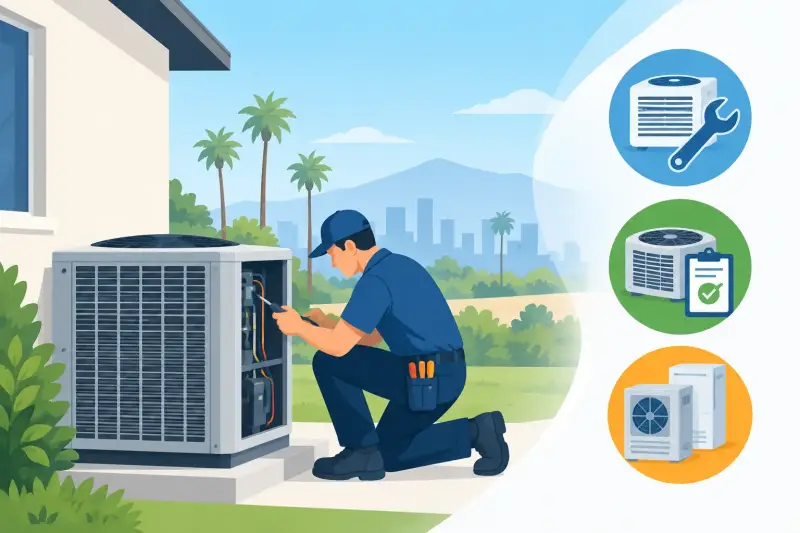
HVAC Anaheim Repair, Maintenance, and Replacement
A cooling system that runs all afternoon without lowering the temperature, a furnace that starts making new noises, or a drain that backs up before opening time can quickly become more than an inconvenience. For homeowners, landlords, and facility managers, HVAC Anaheim service is about restoring comfort quickly while making sound decisions that protect the property over time.
The right response is not always a full replacement, and waiting is not always the economical choice. Knowing what signals an urgent repair, what belongs on a maintenance schedule, and when aging equipment deserves a closer look can reduce energy waste, water damage, and avoidable downtime.
When an HVAC or Plumbing Problem Needs Immediate Attention
Some system problems can wait for a convenient appointment. Others should be addressed the same day, particularly when they affect safety, threaten property damage, or disrupt a business operation.
Call for prompt professional service if you notice a burning smell from heating equipment, repeated breaker trips, water pooling around an indoor unit or water heater, no cooling during extreme heat, or no heat during a cold spell. A gas odor, a suspected carbon monoxide concern, or a major water leak requires immediate action. Leave the affected area if necessary, turn off the system only if it is safe to do so, and contact the appropriate emergency service.
For commercial properties, the threshold for urgency may be lower. A restaurant dining room that is too warm, an office without reliable cooling, or a restroom drain backup can affect staff, customers, and daily operations. Fast diagnosis matters because a small mechanical issue can become lost revenue or a larger repair when left unaddressed.
Not every unusual sound means the system is failing. A brief click at startup may be normal, while grinding, squealing, rattling, or loud banging is not. Similarly, light condensation near an air handler can be expected, but standing water, ceiling stains, or a steadily rising water bill should never be ignored.
HVAC Anaheim Maintenance That Prevents Disruptions
Preventive maintenance is less dramatic than an emergency repair, but it often delivers the greater value. Heating and cooling equipment works hard through Southern California temperature swings, dust, and long cooling seasons. Plumbing systems face their own daily demands from mineral buildup, worn valves, drain debris, and hidden leaks.
A professional seasonal visit gives a technician the opportunity to inspect the system before peak demand exposes a weak component. For an air conditioner or heat pump, that may include checking refrigerant performance, electrical connections, condensate drainage, airflow, filters, and overall operation. Furnace service can identify ignition, ventilation, and safety-control concerns before heating is needed regularly.
Maintenance does not eliminate every breakdown. Parts can fail unexpectedly, especially as equipment ages. It does, however, help catch restricted airflow, dirty coils, weak capacitors, drain line blockages, and small leaks before they put added strain on the entire system.
Property owners also have a role between professional visits. Change or clean filters on the manufacturer-recommended schedule, keep outdoor equipment clear of leaves and stored items, and pay attention to changes in comfort or utility costs. In plumbing, avoid treating toilets and drains as disposal systems, and address slow drainage before it turns into a complete clog.
For facilities with several units, a structured maintenance agreement can be especially useful. It creates a service record, supports budget planning, and reduces the chance that every issue becomes an unplanned emergency callout.
Comfort Problems Often Start With Airflow
When one room stays warm while another becomes too cold, the equipment may not be the only issue. A clogged filter, blocked supply vent, leaking ductwork, incorrect thermostat settings, or an improperly sized system can all affect comfort.
This is why a proper inspection matters. Replacing equipment without identifying the cause of uneven temperatures may leave the original problem in place. A qualified technician should look at system performance as a whole rather than assuming the oldest or loudest component is automatically at fault.
Repair or Replacement: How to Make the Right Call
The decision to repair or replace heating and cooling equipment depends on more than the age printed on its label. A newer system with an isolated electrical or drainage issue is often a sensible repair. An older unit with recurring failures, declining efficiency, and costly major components may justify replacement.
Start with the scope of the current issue. Replacing a capacitor, contactor, thermostat, or clogged drain line is very different from replacing a compressor, heat exchanger, or major refrigerant component. The second category deserves a broader conversation about remaining equipment life, operating cost, and repair history.
Age is still useful context. Many systems can perform well for years when maintained properly, but they do not last forever. If repairs are becoming frequent, temperatures are inconsistent, or energy bills have climbed without a clear change in usage, ask for an honest evaluation of the system's condition.
Replacement can improve reliability and efficiency, but it must be planned correctly. The right equipment size, installation quality, duct condition, electrical capacity, and thermostat setup all affect results. Bigger is not automatically better. Oversized cooling equipment can cycle too quickly, reducing comfort and adding wear, while undersized equipment may run constantly without meeting demand.
A straightforward quote should explain the recommended work and why it is being proposed. For a repair, that means identifying the failed part and the expected outcome. For replacement, it means discussing the equipment option, installation scope, warranty considerations, and any related work needed for dependable operation.
Plumbing Issues That Should Not Be Treated as Separate Problems
Heating, cooling, and plumbing are different systems, yet they often affect the same property priorities: comfort, operating cost, safety, and damage prevention. A clogged condensate drain can stop an air conditioner or cause water damage. A hidden water leak can raise bills and damage walls or flooring. A malfunctioning water heater can disrupt an entire household or tenant space.
Recurring drain clogs deserve more attention than a quick temporary fix. The cause could be grease, hair, foreign objects, scale buildup, or a deeper issue in the line. Repeated chemical drain cleaners may damage some pipes and rarely solve the underlying blockage. Professional drain service can identify the problem and choose the appropriate method without guessing.
Water-line concerns also benefit from early action. Damp spots, reduced water pressure, discolored water, unexplained meter movement, and a sudden increase in water charges may point to a leak. The sooner the source is located, the more likely it is that extensive restoration work can be avoided.
What to Expect From a Professional Service Visit
A dependable service visit should reduce uncertainty, not add to it. The technician should listen to what you have observed, inspect the relevant equipment, explain the findings in clear language, and outline practical options. If the issue is urgent, the first priority is stabilizing the situation and preventing further damage.
For scheduled work, clear communication matters just as much. Homeowners need to understand what maintenance protects and what it cannot guarantee. Commercial decision-makers need information that helps them plan around access, tenant needs, operating hours, and potential downtime.
HVAC Pros approaches HVAC and plumbing work as connected property systems, helping customers address immediate failures while planning for efficient, reliable performance. That single-provider approach can simplify service coordination when a property has both climate-control and plumbing needs.
Before scheduling service, write down when the problem began, whether it is constant or intermittent, and any changes in sounds, smells, temperatures, water pressure, or utility costs. This information can help shorten the diagnostic process. If you have service records, keep them available as well, especially for older equipment or recurring issues.
A comfortable home and a functional commercial space depend on systems that rarely receive attention until something goes wrong. Acting on early warning signs and keeping maintenance on schedule gives you more choices, more predictable costs, and fewer interruptions when you need your property to work properly.