

702-935-3299
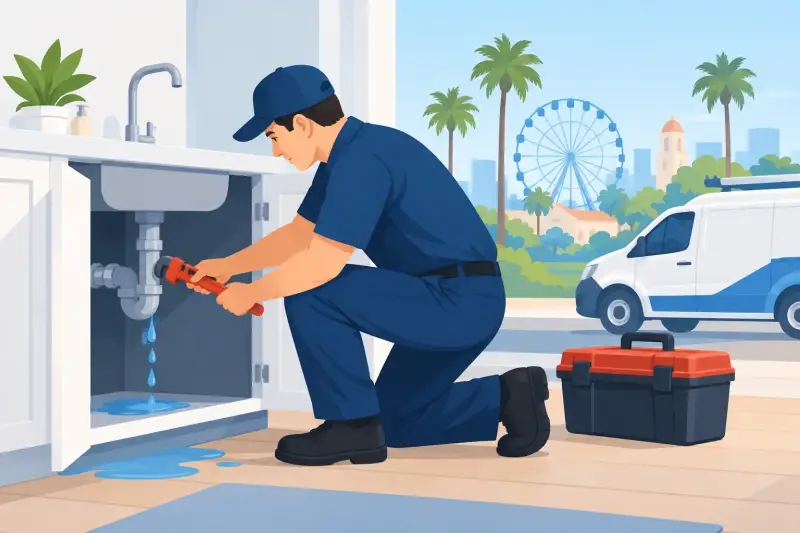
When to Call an Emergency Plumber in Anaheim
A burst supply line can soak drywall in minutes. A backed-up toilet can close a restroom, interrupt a business day, and create a sanitation concern just as quickly. In these moments, an emergency plumber is not simply a convenience. Fast, qualified help can limit property damage, protect occupants, and get essential plumbing working again.
The first priority is not diagnosing every detail from the floor. It is stopping or containing the immediate problem safely, then getting a licensed professional involved when the situation cannot wait. Knowing the difference between an urgent repair and a problem that can be scheduled for the next business day helps homeowners, landlords, and facility managers make a clear decision under pressure.
What Counts as a Plumbing Emergency?
A plumbing issue is an emergency when it is actively causing damage, creates a health or safety risk, leaves the property without a necessary service, or threatens to disrupt normal operations. The size of the problem matters, but so does the setting. A small leak beneath a rarely used sink may be manageable for a short time. The same leak above a retail sales floor or inside a second-story condominium may require immediate action.
Call for emergency service when you have a burst pipe, an uncontrollable water leak, sewage backing up into sinks, tubs, toilets, or floor drains, or a complete loss of water that cannot be explained by a utility outage. Water heater leaks, overflowing toilets that will not stop after the supply valve is closed, and a failed main shutoff valve also deserve prompt attention.
For commercial properties, the threshold can be lower. A clogged restroom drain in a restaurant, office, apartment building, or customer-facing business can quickly affect sanitation, tenant satisfaction, or the ability to stay open. Facility managers should also treat plumbing problems near electrical equipment, inventory, server rooms, and finished interiors as urgent because even limited water exposure can become expensive.
Not every clogged sink needs a middle-of-the-night visit. A slow drain with no overflow, a dripping faucet that can be isolated, or a toilet that flushes but runs intermittently can often be booked during regular service hours. The trade-off is simple: if waiting could allow water, sewage, or lost service to create greater damage, it is safer to call now.
What to Do Before an Emergency Plumber Arrives
A prompt call matters, but the actions you take in the first few minutes can reduce the scope of the repair. Start by protecting people. Keep children, pets, customers, and staff away from standing water, especially if the source is unknown or sewage is present. Do not walk through water near outlets, appliances, or electrical panels.
If you can identify the fixture’s local shutoff valve, turn it clockwise to stop water to that toilet, sink, washing machine, refrigerator line, or water heater. Most toilets have a small valve behind the bowl near the wall. Sink shutoffs are usually located beneath the cabinet. If a fixture valve will not close, leaks continue, or a pipe has broken, turn off the property’s main water supply if it is safe to do so.
For many homes, the main shutoff is near the water meter, in a garage, along an exterior wall, or where the main line enters the building. Commercial sites may have a dedicated mechanical room or valve box. If you manage a property, it is worth locating this valve before an emergency occurs and making sure authorized staff know how to use it.
Move rugs, boxes, electronics, and furniture away from the affected area. Use towels or containers only when doing so is safe and does not delay shutting off the water. Take a few photos of the leak, damaged area, or backup for your records, but do not spend time documenting the event while water continues to spread.
Avoid using chemical drain cleaners to solve a serious clog. They may not clear the obstruction, can damage certain plumbing materials, and can create a hazard for the technician who needs to open the line. A plunger may help with a simple toilet blockage, but repeated flushing after water rises is likely to make the situation worse.
Information That Helps the Plumber Respond Faster
When you call, a few practical details help the service team prepare. Explain where the issue is occurring, whether water is still flowing, whether the main water is off, and whether sewage is involved. Mention any recent work, such as remodeling, appliance installation, landscaping, or drain cleaning, that might relate to the problem.
For a commercial property, share the building access process, affected suite or restroom, business hours, and any equipment or operations that need protection. If the issue affects multiple units, floors, or fixtures, say so. That can indicate a main line, sewer, or building-wide supply concern rather than an isolated fixture problem.
A reliable emergency plumbing response should begin with a clear assessment. The technician should locate the source, explain what is causing the immediate issue, outline the repair options, and provide a straightforward quote before major work begins whenever conditions allow. Some problems have a direct repair, such as replacing a failed supply line. Others may need diagnostic work first, particularly concealed leaks, recurring drain backups, or underground water-line failures.
Why Fast Diagnosis Matters
Water does not need to flood a room to cause a costly problem. A pinhole leak behind a wall can saturate insulation, warp flooring, and encourage mold growth before it becomes visible. A recurring drain backup may point to buildup, damaged piping, root intrusion, or a larger sewer-line issue. Stopping the immediate overflow is essential, but identifying why it happened is what prevents the next callout.
This is where experienced plumbing service makes a difference. The right repair depends on pipe material, fixture condition, access, the age of the system, and whether the property has had similar failures. A temporary patch may be appropriate to protect the building immediately, but it should not be presented as a permanent solution if the underlying line is corroded or compromised.
Homeowners should ask what caused the failure and whether nearby components show the same wear. Property managers should also ask whether the repair affects code requirements, tenant access, restoration needs, or planned maintenance. Clear answers support better decisions, especially when an emergency exposes an aging system that may need phased upgrades rather than repeated spot repairs.
Emergency Plumbing for Homes and Businesses
Residential emergencies are personal. They can mean a kitchen without water, a bathroom out of service, or a leak threatening family belongings. The goal is to restore safe use of the home quickly while protecting it from hidden moisture damage.
Commercial emergencies carry another layer of responsibility. A plumbing failure can affect employees, customers, residents, inventory, and revenue. Businesses may need a fast repair plus a practical plan for keeping restrooms, kitchens, or tenant spaces available while work is underway. Landlords and facility teams also need documentation and clear communication that supports a timely return to normal operations.
HVAC Pros serves as one accountable local partner for plumbing as well as heating and cooling needs, which can be especially useful when a water issue affects equipment areas, mechanical rooms, or the overall function of a property. The focus remains the same: diagnose the problem quickly, protect the space, and recommend work that fits the condition of the system.
Reduce the Chances of the Next Callout
Many emergency calls are unpredictable, but not all of them are unavoidable. A disciplined maintenance approach can catch small leaks, aging water connections, slow drains, and water heater concerns before they become disruptive failures. This is particularly valuable in Southern California properties where hard water and older plumbing components can contribute to wear over time.
Watch for changes that are easy to dismiss: a higher water bill, damp cabinet flooring, a water heater that is pooling at the base, drains that gurgle, or a toilet that needs frequent plunging. These signs do not always mean a major failure is imminent, but they are worth scheduling before the problem becomes urgent.
Keep the main water shutoff accessible, avoid storing heavy items around it, and make sure responsible household members or staff know its location. For commercial sites, a written emergency procedure and preventive plumbing inspections can reduce confusion when a failure happens outside normal hours.
When water is spreading or sewage is backing up, acting early is usually the least disruptive choice. Shut off what you safely can, protect the people and property nearby, and get qualified help before a manageable plumbing problem becomes a larger repair.