

CALL 607-533-1380 OR
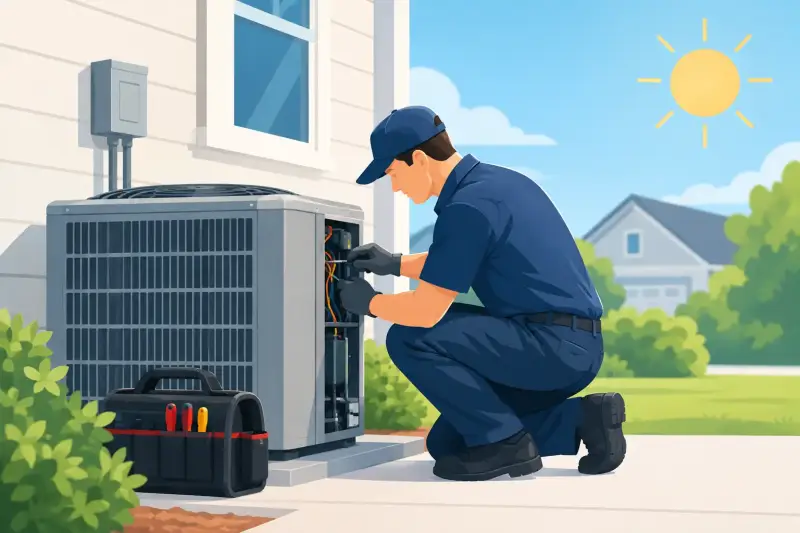
Emergency AC Repair When Cooling Cannot Wait
A working air conditioner can feel non-negotiable when an Anaheim afternoon turns hot, especially when children, older adults, pets, customers, or employees are indoors. Emergency AC repair is about more than restoring a lower thermostat setting. It is about protecting comfort, safety, property, and business continuity when a cooling system fails without warning.
Not every AC concern requires an urgent callout, but waiting too long on the wrong problem can create a larger repair, water damage, or an uncomfortable and unsafe indoor environment. Knowing what to check, what to leave alone, and when to call a qualified technician can make a stressful situation more manageable.
When Emergency AC Repair Is the Right Call
An air conditioner that is merely running a little less efficiently may be able to wait for a scheduled service visit. A system that has stopped cooling during extreme heat, however, deserves prompt attention. The urgency also depends on who occupies the property and what the space is used for. A warm house can become a health concern for vulnerable residents, while a failed unit in a restaurant, retail shop, office, server room, or rental property can interrupt operations quickly.
Call for emergency AC repair when the system will not turn on, blows warm air continuously, repeatedly trips a breaker, produces a burning smell, leaks significant water indoors, or makes loud grinding, banging, or electrical buzzing sounds. These symptoms can point to issues ranging from a failed capacitor or blower problem to a refrigerant concern, electrical fault, clogged drain line, or damaged compressor component.
Water around an indoor unit should not be dismissed as a minor inconvenience. A blocked condensate drain can cause water to back up into a ceiling, wall, attic, or equipment closet. In Southern California, where cooling systems may run hard for long stretches, a small drainage issue can become property damage if it is ignored.
What to Do in the First 15 Minutes
Start with safety and simple observations. Set the thermostat to COOL and lower the setting several degrees below the current room temperature. Make sure the thermostat display is active and that the fan setting is on AUTO rather than ON. If the fan is set to ON, it may keep circulating air even when the cooling cycle is not working, making the problem harder to judge.
Next, check whether the HVAC breaker has tripped. If it has, reset it once. If it trips again, leave it off and arrange professional service. A breaker that repeatedly trips is doing its job by responding to an electrical problem. Repeatedly forcing it back on can damage equipment or create a safety risk.
Look at the air filter if it is easy to access. A severely clogged filter restricts airflow and can contribute to frozen coils, weak cooling, and unnecessary strain on the system. Replacing a dirty filter may help in some cases, but it will not repair a failed electrical component, refrigerant leak, or compressor issue.
Then check the outdoor unit from a safe distance. Confirm that it has power and that leaves, boxes, patio furniture, or other debris are not blocking airflow around it. Do not remove electrical panels or reach into the equipment. If the unit is humming but the fan is not moving, or if you hear a sharp buzzing sound, turn the system off and call for help.
If the indoor coil appears frozen or airflow has dropped substantially, switch the thermostat from COOL to OFF and set the fan to ON only if air is still moving normally. This may help the ice thaw while you wait for service. Do not chip away ice or pour hot water into the unit. The visible ice is usually a symptom, not the underlying cause.
What Not to Do During an AC Failure
A few actions can turn an urgent repair into a more expensive one. Avoid adding refrigerant from a store-bought product, even if the system seems low. Refrigerant work requires proper diagnosis, leak checks, and the correct charge for the specific equipment.
Do not keep cycling the thermostat on and off every few minutes. Do not reset a tripping breaker multiple times. And do not continue operating an AC system that smells like burning plastic, emits smoke, or makes violent mechanical noises. Turn it off at the thermostat and breaker if it is safe to do so, then keep people away from the equipment until a technician can inspect it.
For an indoor leak, move belongings out of the affected area and place towels or a container beneath the drip if possible. If water is approaching electrical equipment or spreading through a ceiling, shut the system off and treat it as a priority repair.
What a Professional AC Repair Visit Should Include
Fast service matters, but a fast guess is not the same as a repair. A qualified technician should identify the source of the failure before recommending work. That generally means checking thermostat operation, electrical connections, capacitors, contactors, blower performance, condensate drainage, airflow, refrigerant conditions, and the outdoor unit's operation.
The right repair depends on what failed. A worn capacitor can often be replaced promptly. A clogged drain line may require cleaning and verification that water is flowing properly. A refrigerant issue requires more care because simply adding refrigerant without finding a leak can lead to another failure. Older equipment with a compressor problem may call for a conversation about repair cost, remaining system life, and replacement options.
At HVAC Pros, the goal is straightforward diagnosis and a clear quote before work begins. Property owners should understand what caused the issue, what the recommended repair addresses, and whether there are practical options to consider.
Emergency Cooling Problems at Commercial Properties
Commercial AC emergencies rarely affect just one person. A hot workplace can reduce productivity and customer comfort. For landlords and facility managers, it can also lead to tenant complaints, lease concerns, and after-hours coordination. In spaces with temperature-sensitive inventory, electronics, or equipment, downtime may have a direct financial cost.
Facility teams can help speed up diagnosis by noting when the failure began, whether one zone or the entire building is affected, any recent electrical work, and any alarms or error codes displayed by the thermostat or control system. Clear access to roof units, mechanical rooms, and electrical panels also helps a technician get to the problem without delay.
Repair or Replace? Make the Decision With the Full Picture
An emergency does not automatically mean replacement is the best answer. Many sudden failures are repairable, even on systems that have been in service for years. The decision depends on the failed component, repair cost, equipment age, maintenance history, efficiency, and whether the system has had repeated refrigerant or compressor-related problems.
A smaller repair on an otherwise dependable unit is usually sensible. On the other hand, investing heavily in an aging system with recurring breakdowns may only postpone the next disruption. Replacement can offer improved efficiency and reliability, but it also requires a larger upfront investment and proper sizing for the home or commercial space.
A good service conversation should not pressure you toward one outcome. It should give you the information to weigh immediate cost against operating expense, reliability, and future repair risk.
How to Reduce the Chance of Another Emergency
Most AC emergencies cannot be predicted perfectly, but many develop after warning signs are missed. Weak airflow, uneven temperatures, rising utility bills, short cycling, noisy startup, and frequent thermostat adjustments all deserve attention before the hottest days arrive.
Preventive maintenance gives a technician the opportunity to clean critical components, check electrical parts, inspect drainage, confirm airflow, and spot wear before it causes a shutdown. Homeowners should also replace filters regularly and keep the outdoor unit clear. Commercial properties benefit from scheduled maintenance plans that account for operating hours, multiple zones, tenant needs, and equipment access.
When cooling fails, the most useful next step is not panic or guesswork. Protect the space, shut the system down if there are electrical, burning, or major leak concerns, and get a qualified professional involved quickly. A prompt, informed response can restore comfort today and help prevent the next hot afternoon from becoming another emergency.